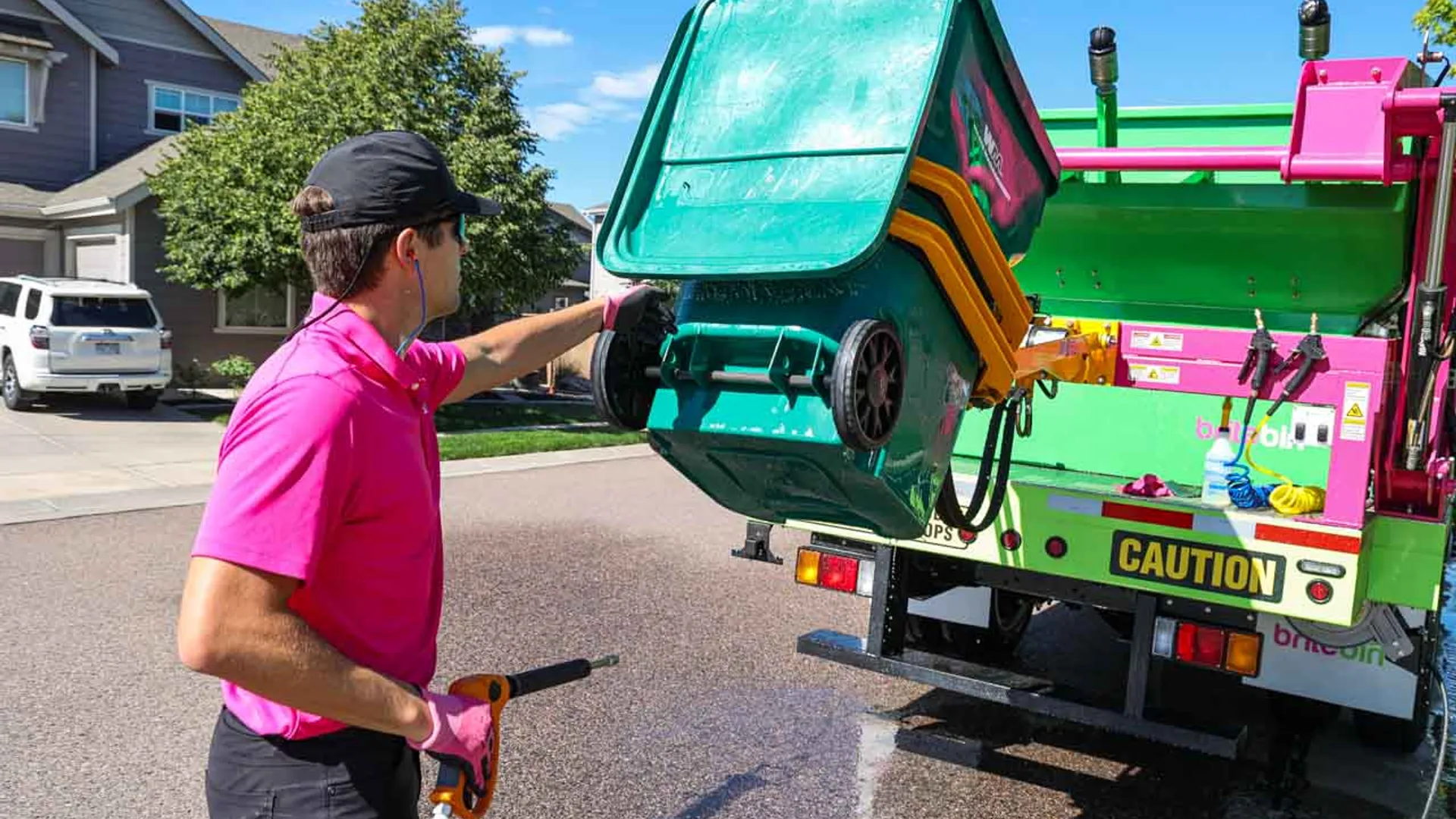
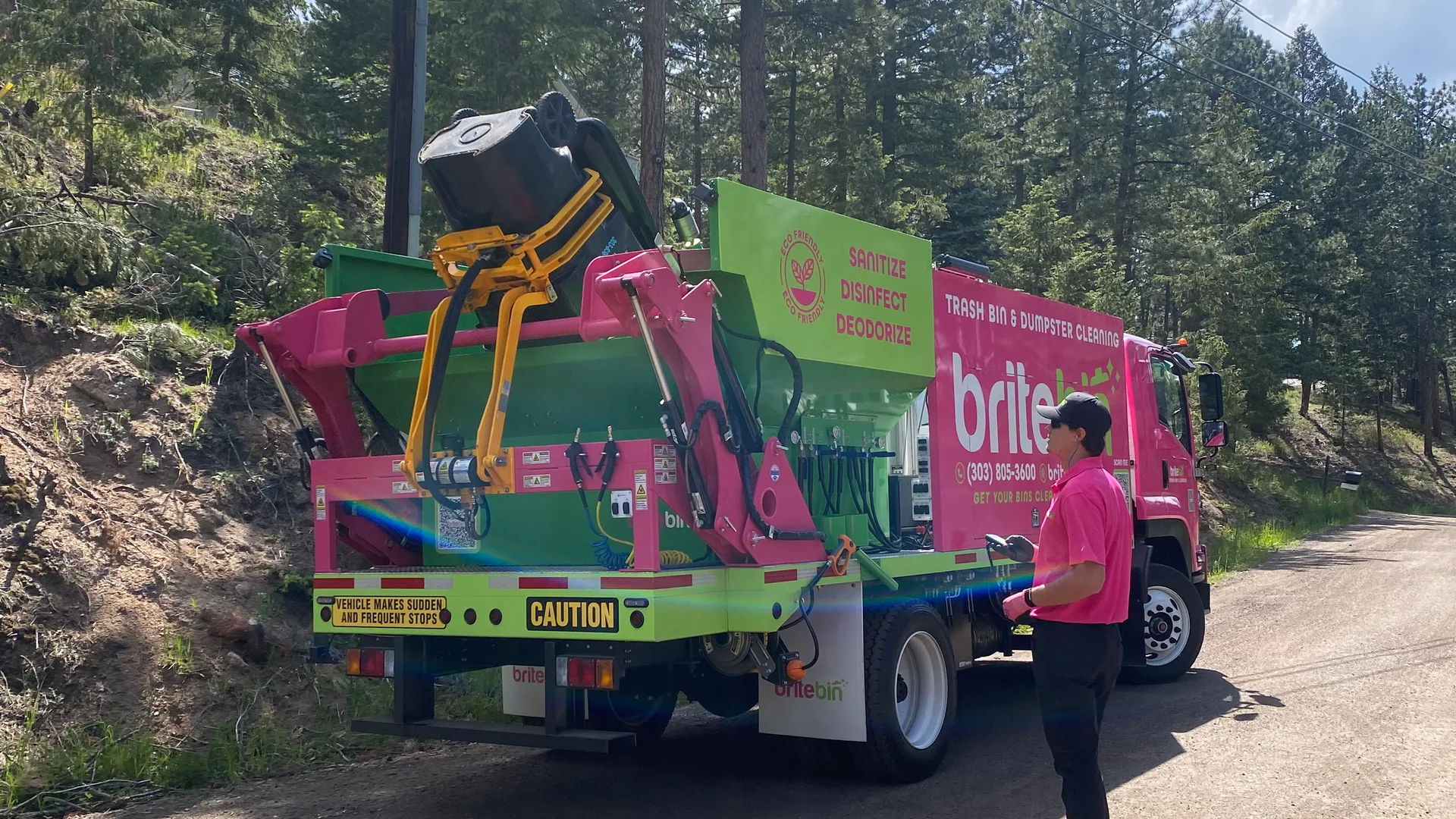

Route-based residential bin cleaning through a Denver-area neighborhood

Why Shared Trash Carts Need a Cleaning Schedule the Whole Property Understands

Shared HOA carts in Greater Denver stay filthy until everyone knows the wash day and who rolls them back.

303-805-3600

Britebin is locally owned and operated in Colorado, providing professional bin cleaning with eco-friendly practices and responsible water handling. Join the clean revolution today.

Start With the Decision, Not the Assumption When a property owner is dealing with recurring cleaning for shared trash carts, the fastest answer is not always the most useful one. Waste-area cleaning is most effective when it is coordinated with collection, access, containment, and the way the property actually uses the containers. In greater Denver, weather, property age, access, and seasonal use can all change what a similar request requires from one site to the next. Britebin provides residential cart cleaning and commercial dumpster cleaning in Greater Denver. A useful first call therefore names the goal, the present condition, and what changed before anyone leaps to a wide recommendation. Stacked with dates, that keeps a durable observation trail in front of the advice. That method keeps the main question usable: how do you go from a first worry or project idea to a scope the property can actually support? Stacked with dates, the answer should still produce a durable observation trail. A route plan should reflect when containers are empty, where they are staged, how gates and parking affect access, and who is responsible for returning them. Service quality becomes much easier to verify when the property and cleaning team share the same cart or enclosure count.

Labeled shared trash and recycling carts at a townhome curb

Build the Inspection Around Useful Evidence Before the visit, build a concise record around cart count, ownership, collection day, staging area, access, contamination, drainage, and who returns carts. The record should answer where the issue is located, when it is most noticeable, whether it is spreading or recurring, and what changed recently. Include a wide site view, detailed photographs, and any relevant maintenance, control, or construction notes while the original condition is still visible. Owners do not need to decide what the evidence proves. Britebin can test and interpret it in the context of the full property. The value of the record is that it keeps memory, assumptions, and unrelated observations from blurring together once work begins or conditions shift. Cleaning methods should match the container and surrounding surface while controlling debris and wastewater. The site review should identify storm drains, landscaping, pedestrians, food-service areas, damaged containers, and any condition that requires a different party before washing begins.

Turn Findings Into a Coordinated Scope Once the evidence is organized, the owner and contractor can decide a route and frequency that match actual use. A strong scope connects that decision directly to what was observed and distinguishes required work from optional improvement. It should account for hauler schedules, HOA communication, parking, gates, and weather, including the order in which people need access and the point at which one responsibility ends and another begins. Confirm protection, shutdowns, testing, cleanup, restoration, and property communication before scheduling. Any permit, utility, landlord, association, tenant, delivery, or seasonal restriction should appear in the plan rather than emerging as a surprise after materials and labor are already in motion. For Britebin, putting these responsibilities in the same written scope keeps the recommendation tied to the company's published service role and the actual property conditions. Recurring service should include a process for holiday collection shifts, locked access, missing carts, overflow, severe weather, and unusual contamination. A short exception message can keep one route disruption from turning into several weeks of confusion about whether the property was serviced.

Finish With Clear Boundaries and a Property Record Before authorization, make sure the paperwork reflects this distinction: cart cleaning does not replace correct bagging, repairs, or hauler service. A defined limit protects the quality of the main recommendation because everyone knows what success looks like and which items remain separate. The finished file should contain a short before-and-after summary, test or inspection findings, materials and settings, photographs of anything soon to be hidden, and the next review point. Keeping that history with the property is particularly helpful in greater Denver, where seasonal conditions and changing use can make an old and a new concern look similar. If the issue returns, Britebin can compare current evidence with the completed work instead of repeating the entire investigation. Before-and-after photographs should use consistent views and show unresolved issues such as a damaged lid, leaking container, broken enclosure, or recurring overflow. The closeout is strongest when it clarifies what cleaning corrected and what the owner, tenant, or hauler still needs to address.

Book Britebin for your address

If this article got you thinking about cleaner carts or dumpsters, sign up or call—we will confirm your route.

Request more information

Share your details for residential service—we will follow up shortly.

Book residential curbside service online, or switch to Commercial to request a quote from our team.

Residential details

Or call 303-805-3600. We will confirm your address on the phone.

Thank you!

We received your message and will follow up soon. For urgent help, call 303-805-3600.