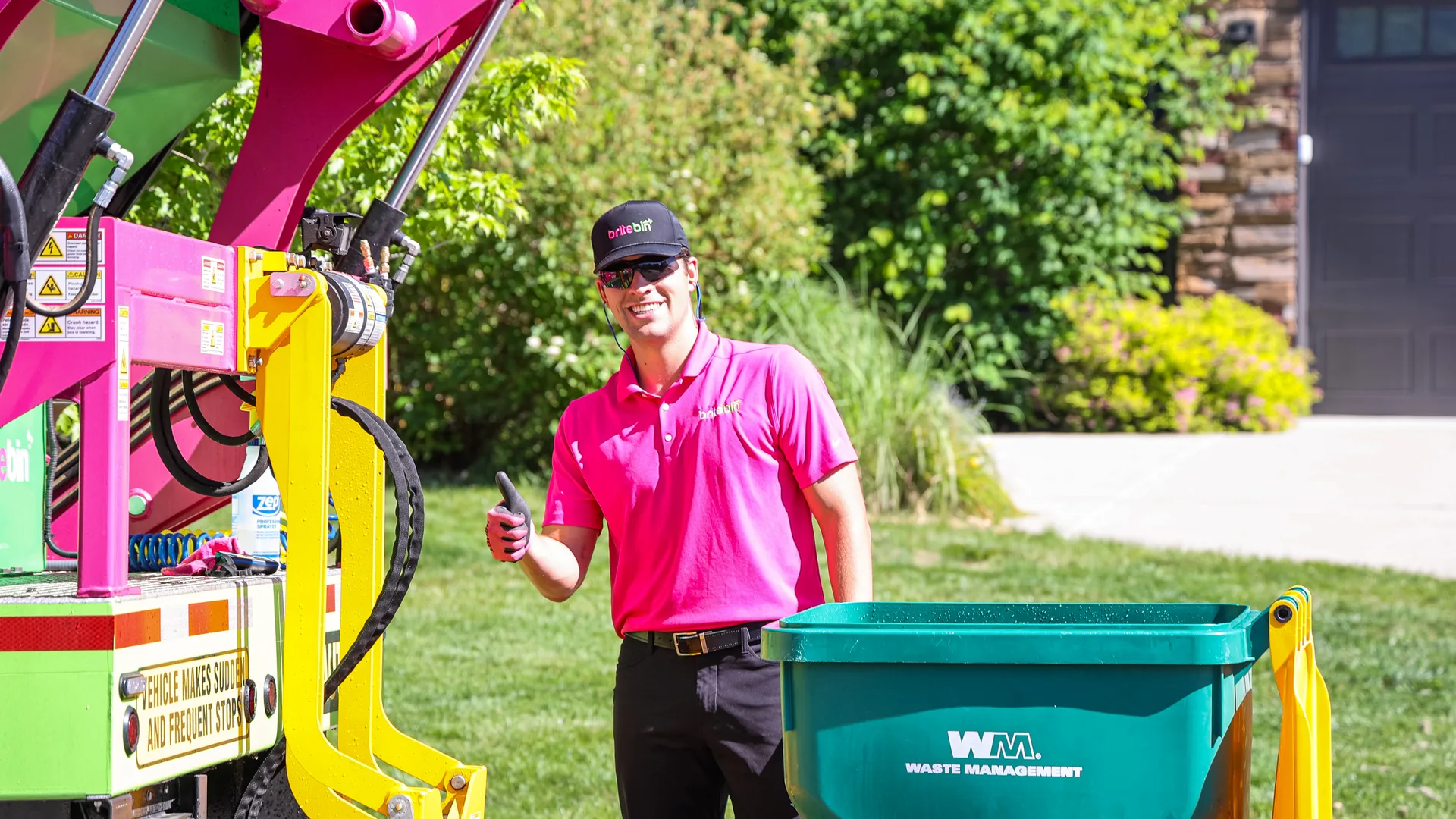
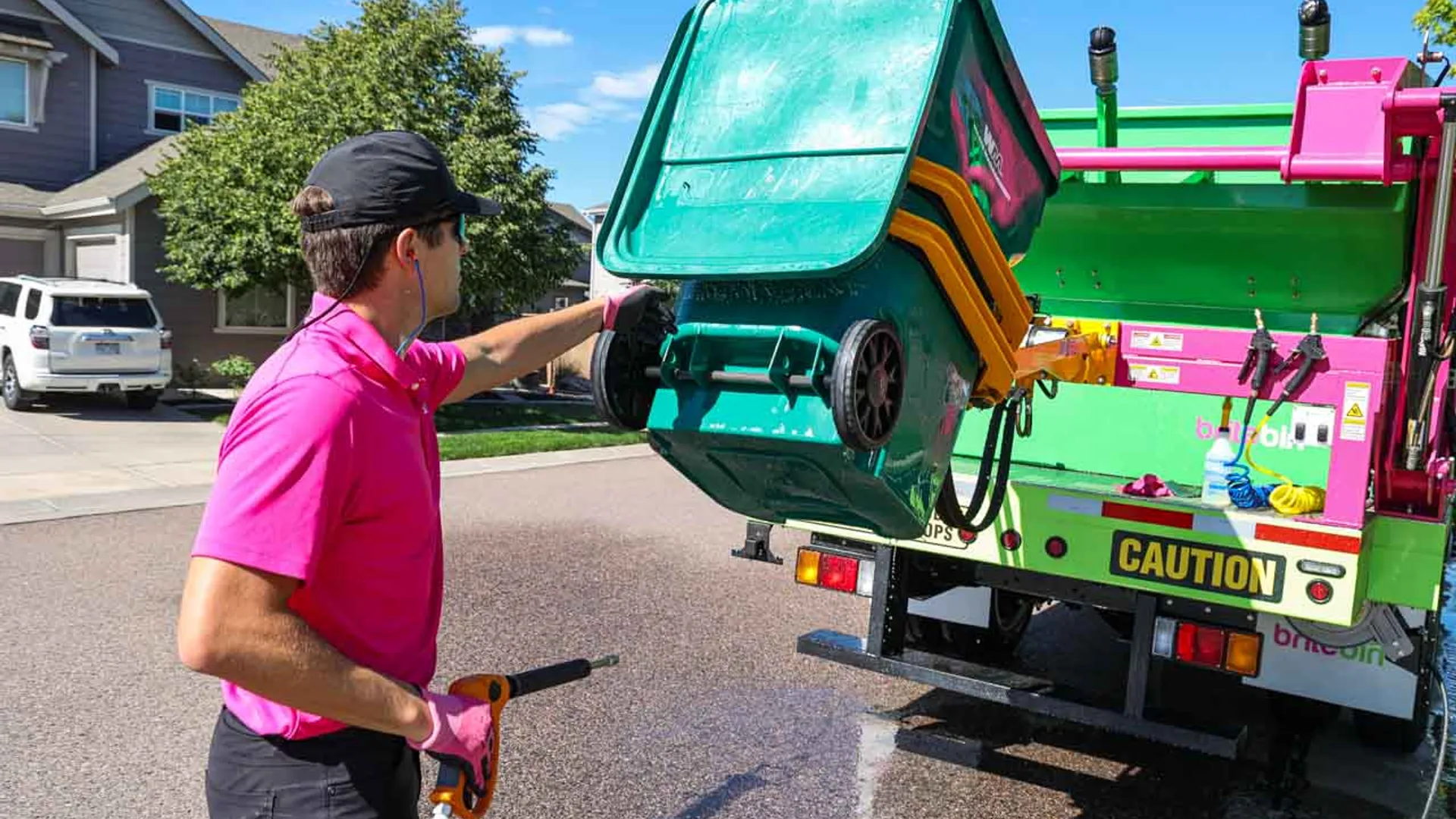

Residential trash and recycling carts staged along a Denver-area curb

Shared HOA Carts Need Labels and One Curbside Responsibility Plan

Shared HOA carts create missed cleans and blame loops when nobody owns labeling, staging, or who calls when a cart disappears.

303-805-3600

Britebin is locally owned and operated in Colorado, providing professional bin cleaning with eco-friendly practices and responsible water handling. Join the clean revolution today.

Shared carts in a townhome or condominium community look simple until one unit swaps lids, another leaves a cart in the garage on cleaning day, and a third reports odor that belongs to a neighbor's overflowing recycle bin. The symptom is mess. The fix starts with labels and one written responsibility plan.

Labeled residential carts ready for route-based cleaning service

Britebin offers route-based residential cart cleaning across Greater Denver from our base in Golden. Shared communities need clearer prep than a single-family driveway because the cart may move between units, garages, and common staging areas.

<strong>Label carts so the route can find the right container.</strong> Unit number, building letter, or assigned stall should be visible on the cart body, not only on a faded sticker under the lid. When carts look identical, a missed clean often means the technician cleaned the wrong pair or could not match the account list to what sat at the curb.

Write who owns each cart in the HOA or property-manager notes. Shared "community" carts still need a named contact for damage, missing lids, and overflow. If residents borrow carts freely, cleaning schedules break because the cart is never in the same place twice.

<strong>Pick one curbside responsibility plan.</strong> Decide who rolls carts out, who brings them back, what time they must be staged, and who reports a cart that never appears. Put that plan in the welcome packet and in the service account. Cleaning companies cannot invent a staging rule after the truck is already on the block.

Collection day still matters. Our notes on cleaning after trash collection apply to shared carts too. An empty cart cleans better than a full one. If the HOA stages carts the night before pickup, schedule cleaning after the hauler empties them, not while bags are still inside.

<strong>Separate unit rules from shared rules.</strong> Unit rules cover what residents may put in trash versus recycling and how they handle pet waste or grease. Shared rules cover alley or curb staging, snow berms that block access, and common-area carts used by landscapers or cleaners. Mixing those two lists in one vague email creates arguments instead of clean carts.

Property managers in denser Denver neighborhoods should also note narrow alleys, locked side yards, and visitor parking that blocks the route. Those access details belong in the same file as the cart labels.

<strong>Document service exceptions before they become disputes.</strong> Carts left indoors, carts filled with construction debris, carts with broken wheels, and carts sitting behind a locked gate are exceptions. Record them with a photo and date. That protects residents who did stage correctly and shows which buildings need a reminder.

Commercial dumpsters on the same property are a different service. Keep enclosure cleaning under commercial dumpster cleaning so residential route days are not overloaded with pad work. Pressure washing around dumpster pads is quoted through commercial pressure washing.

<strong>Keep one property contact for the account.</strong> Board members change. Tenants move. The service history should live with the property file, not in a personal inbox. Include cart counts, label scheme, staging location, preferred cleaning frequency, and the current manager phone number.

Labels should survive weather. Marker on the lid fades. A durable unit number on the cart body or an HOA-issued tag works better. If residents reassign carts among themselves, update the account list the same week so the route sheet matches the curb.

Snow season adds another failure mode. Berms block staging spots and hide carts behind drifts. Write winter staging rules into the same responsibility plan used in summer so cleaning and collection are not guessing where carts went.

When boards argue about odor, ask for cart photos with unit labels visible. Unlabeled complaints are hard to route. Labeled photos show whether one unit or a shared staging habit is the problem.

New residents need the plan in move-in papers: which cart is theirs, where it stages, what time it goes out, and who to email when a cart is missing. Cleaning schedules fail when only long-time owners know the unwritten rules.

If the community uses compost carts as well as trash and recycle, label those streams the same way. Mixed lids create contamination and odor that get blamed on cleaning frequency instead of on staging mistakes.

Managers should also decide what happens when a cart is damaged. Who replaces lids, who pays for a crushed wheel, and whether a temporary shared cart is allowed. Cleaning routes stall when a broken cart sits unlabeled in a garage for a month.

Call the board or manager when carts repeatedly miss cleaning day. A route cannot invent access. A short community reminder with photos of correct staging usually fixes more odor complaints than an extra wash on the wrong cart.

Compare plan options on pricing, review coverage on the service area page, and browse related articles on the blog. Call 303-805-3600 or use contact when your HOA is ready to put labels and a single curbside plan in writing before the next cleaning route.

Book Britebin for your address

If this article got you thinking about cleaner carts or dumpsters, sign up or call—we will confirm your route.

Request more information

Share your details for residential service—we will follow up shortly.

Book residential curbside service online, or switch to Commercial to request a quote from our team.

Residential details

Or call 303-805-3600. We will confirm your address on the phone.

Thank you!

We received your message and will follow up soon. For urgent help, call 303-805-3600.