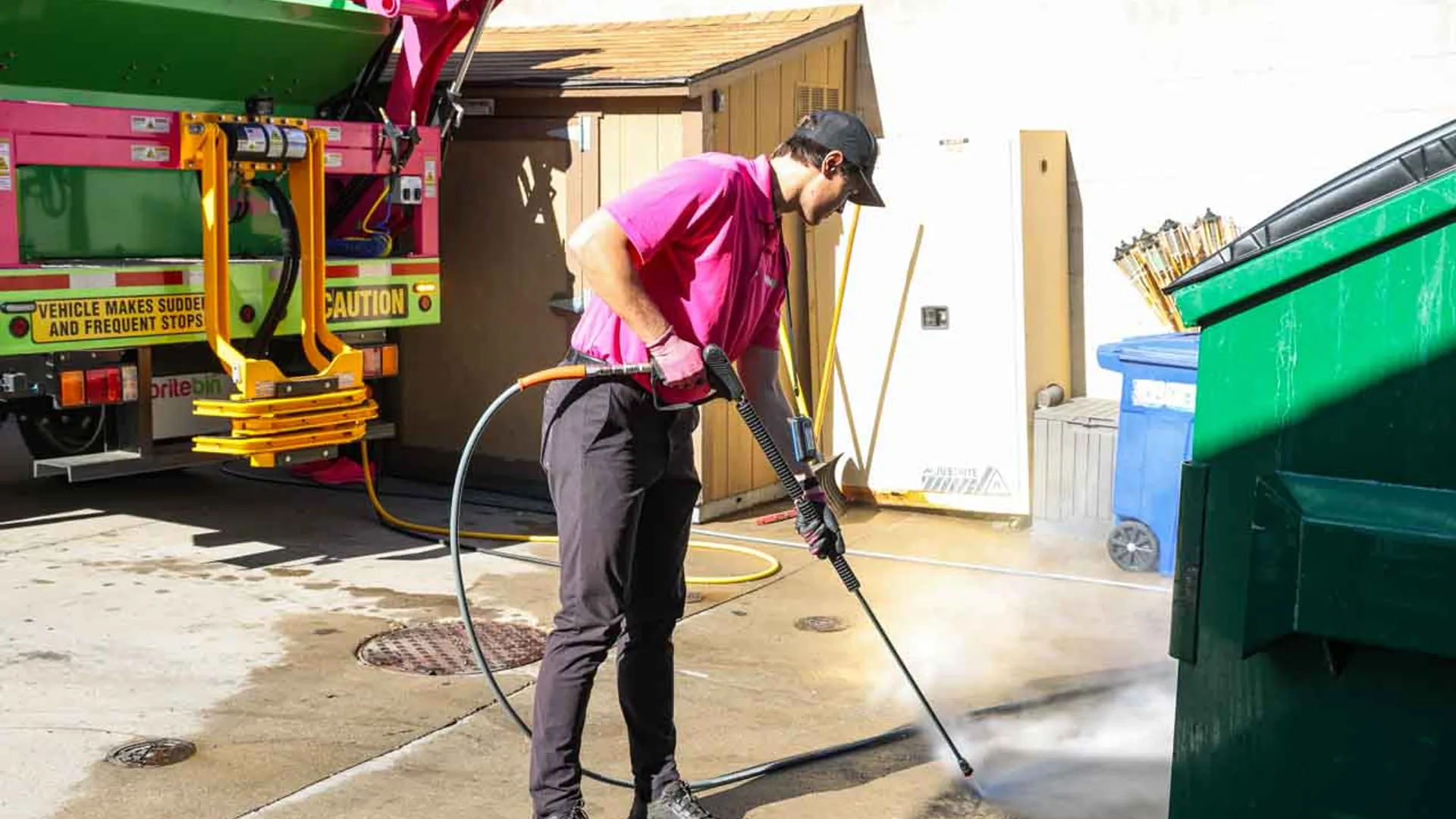

A commercial dumpster that smells bad after a restaurant weekend looks like a cleaning problem. Often it is also a timing problem. If the wash crew arrives when the box is still full, the technician cannot reach the floor film that causes odor. If the wash lands right before the truck, residue and rinse water can interfere with a normal pull.
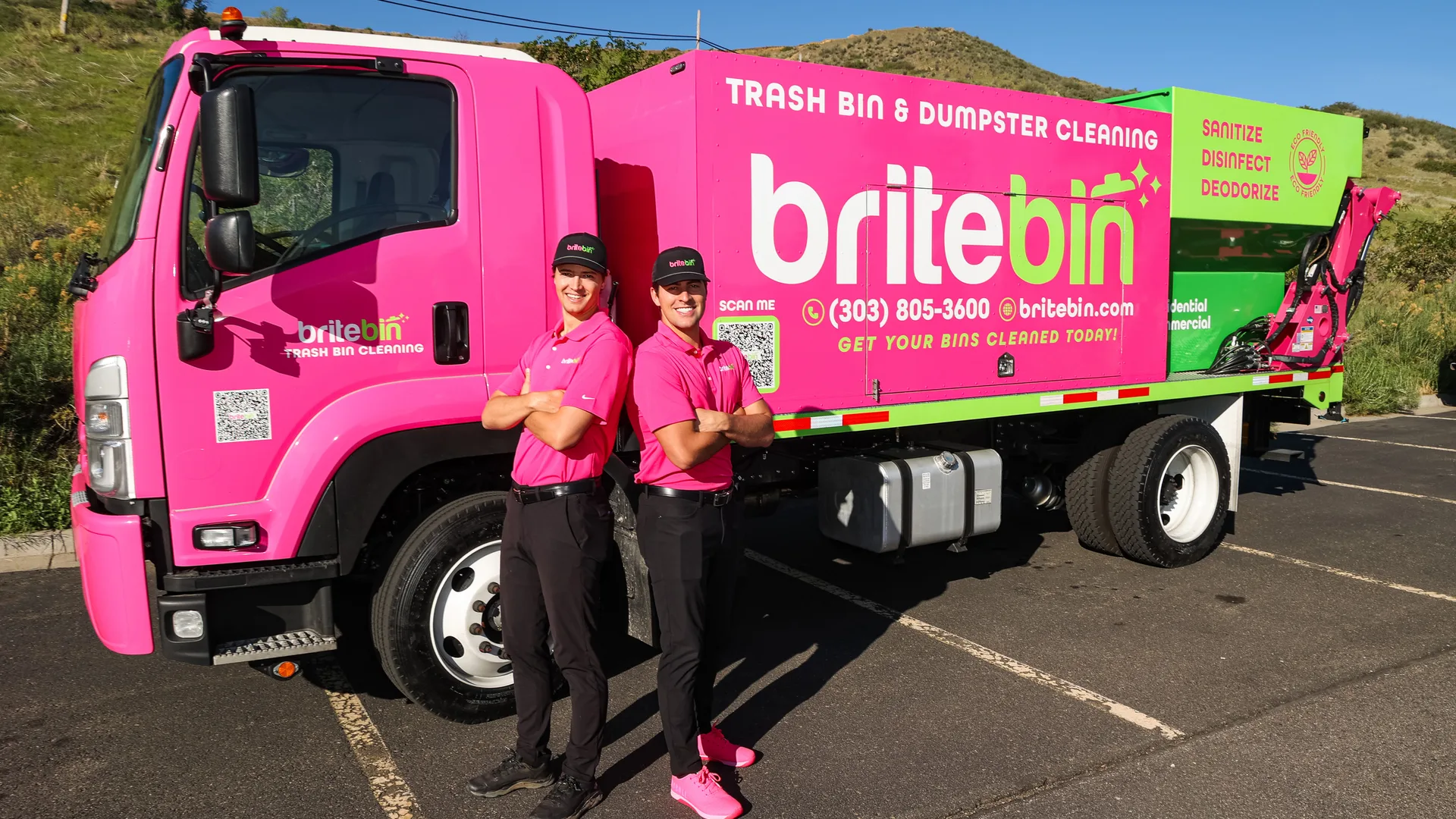
Britebin provides commercial dumpster cleaning and commercial pressure washing across Greater Denver. The cleanest jobs start with one shared schedule: hauler pickup day, approximate empty window, gate access, and who opens the enclosure.
<strong>Start with the empty container, not the smell complaint.</strong> Ask the property manager for the regular collection day and whether the truck usually arrives morning or afternoon. Note whether the site uses front-load dumpsters, a shared enclosure, or a restaurant pad with multiple tenants. Photograph the enclosure gate, lock type, and any parked cars that block the approach on busy days.
If the container is never empty when cleaning is scheduled, stop guessing and change the calendar. Cleaning against a full box wastes the visit. Cleaning immediately after an empty pull lets the crew scrub floors, corners, and lid edges that stay buried under bags the rest of the week.
<strong>Write the service window into the account notes.</strong> Include gate code or key location, who unlocks the enclosure, tenant delivery hours that block the pad, and whether residue is food grease, cardboard dust, or construction grit. Those details change how long the visit takes and whether pad washing should be quoted separately.
Compare that note with what you already know from dumpster cleaning versus pad pressure washing. Interior film and pad film are related, but they are not the same work order. A hauler-coordinated clean can still leave sticky concrete if the apron is never washed.
Coordinate with the hauler, do not compete with the hauler. Call or email the account contact so cleaning is not booked in the same hour as the lift. On multi-tenant pads in Denver and nearby suburbs, one late truck can push every vendor behind. Build a buffer after the expected empty time instead of stacking vendors on the same slot.
Restaurant and café pads need an extra step. Peak lunch traffic can refill a dumpster within hours. If the property needs a midweek wash for odor control, schedule it after the midweek pull, not after Saturday brunch when bags are still piled to the lid.
<strong>Access decides whether the route can finish.</strong> Locked gates, blocked aprons, and cars parked against enclosure doors turn a short clean into a missed stop. Put one property contact on the work order who can open the gate the morning of service. List backup contacts when the primary manager travels.
Homeowners associations and mixed-use buildings should also separate residential carts from commercial dumpsters in the notes. Residential route cleaning is described on our residential page. Commercial dumpsters belong on the commercial calendar so the truck and the wash crew are not chasing different container types on the same visit.
<strong>Know what cleaning does not change by itself.</strong> A clean dumpster does not rewrite the hauler contract, change pull frequency, redesign a tight enclosure, or fix a drain that holds wash water. Those items stay on the property or hauler side. Ask for a clear scope before the visit so nobody assumes the wash includes pad redesign or route changes.
After service, keep a short closeout with the property: date cleaned, whether the box was empty on arrival, residue type, photos of the floor and apron, and the next recommended window. That file helps the next manager understand why the schedule sits after pickup instead of on a random weekday.
Restaurant pads should also note grease traps nearby, overnight bag staging, and whether tenants share one enclosure key. Those details decide whether a clean after the Monday pull stays clean through Wednesday lunch.
If the enclosure drain holds rinse water, say so before the visit. Cleaning interior walls will not fix a pad that ponds. Ask whether pad pressure washing should be quoted on the same week or held for a dry day after the hauler leaves.
Property managers can keep a simple calendar: haul day, empty confirmed, wash window, photo closeout. That calendar belongs in the property file so a substitute manager does not book cleaning against a full box again.
Multi-site portfolios should standardize the note format: site name, haul day, empty window, gate contact, residue type, last wash date. When each manager invents a different email style, route coordination collapses. Britebin can work from a consistent property sheet faster than from scattered threads.
After a missed window, do not silently shift to a random weekday. Reset to the next confirmed empty after a pull. That habit keeps odor complaints from turning into weekly emergency cleans that never catch an empty box.
Browse pricing, check service area coverage, and read related notes on the blog. Call 303-805-3600 or use contact when you want dumpster cleaning timed to the hauler empty window rather than fighting a full container.