
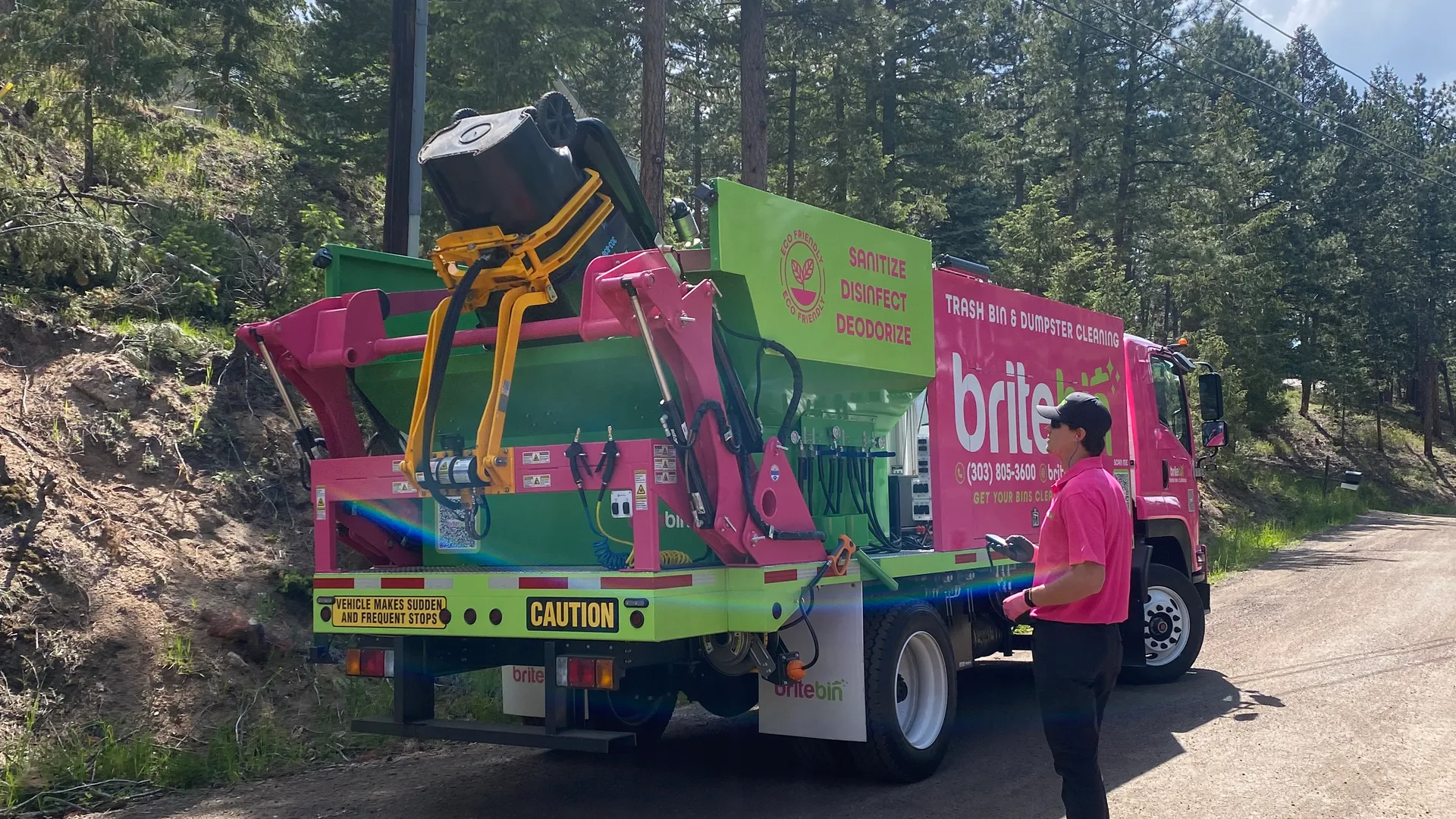

If your trash bin smells like something died behind the garage in July, you probably don’t care about industry jargon, you just want to know the trash can cleaning cost and what makes that number go up or down. In Colorado, pricing is usually pretty straightforward at first glance, but the final quote can shift fast once odor, buildup, access, or dumpster size enter the picture.
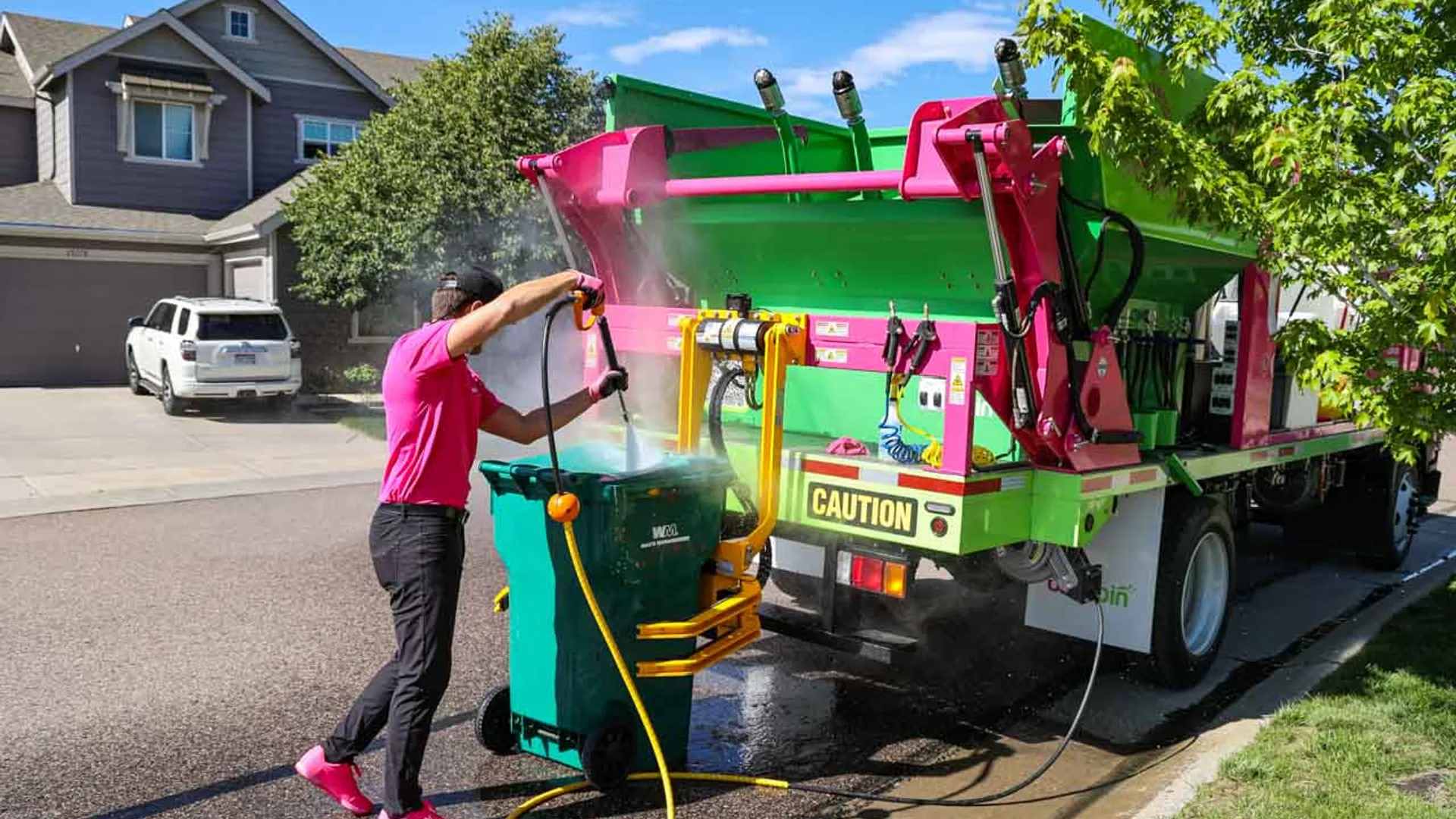
What trash can cleaning usually costs in colorado
For most homes in Colorado, trash can cleaning is a modest service until the bin has been ignored for months. A routine curbside wash for a standard household on a recurring plan usually lands in a modest per-visit range, while one-time cleanings usually cost more because the job tends to be dirtier and less predictable.
For businesses, the spread is wider. A small dumpster with light residue is one thing. A restaurant enclosure in August with grease on the pad is another thing entirely. That is why residential pricing often looks flat and simple, while commercial pricing tends to be custom.
Typical residential price ranges
A common Colorado quote for one residential bin on a recurring schedule is usually priced per visit based on frequency and route. Two bins on the same stop often cost less combined than two separate accounts, depending on the company, route density, and how often service happens. Extra cans usually get cheaper on a per-can basis, so a third or fourth bin may add less than the first one did.
One-time cleaning is usually higher. Expect a one-time rate that reflects condition and access for a single can, and more if the can has baked-on residue, insects, or a heavy smell that needs stronger deodorizing. If your bin has been sitting through a Front Range summer with leaking food waste in the bottom, you are not paying for a quick spray-down. You are paying for time, hot water, cleaning agents, and the hassle factor.
Recurring plans usually lower the per-visit cost. Monthly service is often the best value if odor is a regular problem, especially during warmer months. Bi-monthly and quarterly plans can work well if your bins stay fairly clean and you mainly want prevention. Seasonal cleanings make sense for some households, but the catch is that long gaps often let grime build back up faster than expected.
Typical commercial and dumpster cleaning price ranges
Commercial dumpster cleaning in Colorado usually starts much higher than residential can service because the job is larger, messier, and often involves access issues or surrounding concrete. Light-duty dumpster washing can start at a higher commercial base rate, but larger dumpsters, multiple units, or heavy grease and odor can push pricing into a much wider per-visit range.
Dumpster pad cleaning often gets quoted separately. For a small concrete area with mild staining, you may see a separate pad-cleaning quote. If the pad has grease, organic runoff, algae, or trash juice that has been soaking into the surface for months, that number climbs. Larger enclosure cleanings, including walls, gates, and corrals, can add a substantial amount depending on square footage and contamination.
Pressure washing is sometimes bundled for commercial properties, especially if the property already needs exterior cleanup. But it is usually not automatic. Cleaning the dumpster itself and pressure washing the surrounding area are related jobs, not the same job.
Why pricing changes so much from one job to the next
Trash can cleaning is one of those services where the base rate tells only part of the story. One customer sets out two bins right after pickup in an easy-to-reach neighborhood. Another needs three foul-smelling cans cleaned behind a locked gate at the end of a mountain route. Same service category, very different cost.
Here’s the thing: most price changes come from practical details, not mysterious fees. Container count, size, buildup, frequency, location, and add-ons do most of the work. Once you understand those levers, quotes start making a lot more sense.
The biggest factors that affect trash can cleaning cost
A quote usually comes down to how long the job takes, how difficult it is, and how efficiently it fits into a route. That sounds obvious, but it explains almost every price difference you will see.
Number of cans or dumpsters
More containers increase the total price, but they often lower the per-unit cost. Cleaning one can is the least efficient version of the job because travel, setup, and wastewater handling still happen. Cleaning three or four cans at one stop spreads that overhead around.
That same logic applies to dumpsters. If your property has several containers in one enclosure, the cost per dumpster may be better than if you needed one container cleaned at a standalone site. Volume helps.
Size and type of container
Not every “bin” is the same. A standard residential rollout cart is the familiar wheeled trash or recycling can at the curb. An oversized cart takes longer to rinse and dry. A commercial dumpster is the larger metal waste container behind a store, office, or apartment building. A compactor is a waste unit that compresses trash, which usually means tighter access and tougher residue.
Recycling bins can be easier or harder depending on what ends up inside. Clean cardboard is simple. Sticky drink containers and leaking bags are not. Size matters, but so does what the container has been holding.
Level of buildup, odor, and contamination
This is one of the biggest cost drivers. A can with a little residue at the bottom is routine. A can with old garbage sludge, maggots, grease, or a sour smell you notice from ten feet away is a deep-clean job.
The reason is simple: heavy buildup takes longer to break down, rinse away, and deodorize. Some jobs also need stronger cleaning solutions or repeat passes. That extra labor shows up in the price.
Frequency of service
Recurring service is usually cheaper per visit than one-time cleaning, and for good reason. A bin cleaned every month rarely turns into a biohazard. A bin cleaned once or twice a year often does.
Monthly service works best if odor control matters to you and food waste is common. Quarterly service can be enough for lighter use or cooler months. On-demand service costs more because the condition is less predictable and route scheduling is less efficient.
Access, location, and route density
Colorado geography matters. A home in a dense neighborhood along an existing route is easier to price than a stop far outside town. Gated communities, alley pickups, steep driveways, and mountain communities can all raise the quote because travel time and setup get tougher.
For commercial properties, tight loading zones, parked vehicles, and restricted service windows can do the same thing. If access slows the crew down, the price usually reflects it.
Add-ons and bundled services
A standard wash may not include every extra you want. Deodorizing, sanitizing, spill cleanup, enclosure washing, graffiti removal, and pressure washing around the bin area are often separate charges.
Sometimes bundling saves money, especially if the same visit can handle the dumpster and the pad or the residential bins and the concrete area nearby. But bundled pricing only helps if you actually need both services. Adding pressure washing to a perfectly fine pad is like washing the whole car because of one dusty tire.
Residential trash can cleaning: what you’re actually paying for
If you have only seen wildly different prices online, this is usually why. One company is quoting a simple maintenance wash. Another is quoting a deeper clean with odor treatment and wastewater handling built in.
That difference matters.
Standard service vs deep cleaning
A standard residential service usually means a scheduled wash after trash pickup, using hot water or a cleaning system to remove residue, reduce germs, and leave the bin smelling better. It is maintenance. It keeps a manageable problem from getting gross.
Deep cleaning is what you need when the bin is already in rough shape. Think hardened sludge at the bottom, insect activity, sticky sides, or a smell that hangs around even with the lid closed. That visit takes more effort, and the price reflects it.
Single visit vs recurring plan
A single visit makes sense when the problem is temporary. Maybe a bag broke, maybe summer heat got ahead of you, maybe moving week turned the bin into a disaster. Paying once can be perfectly reasonable.
Recurring service makes more sense if this keeps happening. If your bins get foul every few weeks, it is usually cheaper to maintain them than to keep resetting the problem with one-time deep cleans. You also avoid that awful moment on a 90-degree afternoon when you open the lid and instantly regret it.
HOA, apartment, and shared-bin situations
Shared properties often get different pricing because the route is efficient and several bins can be cleaned in one stop. HOAs, townhome communities, and apartment sites may qualify for volume rates, especially when bins are grouped in one location and service happens on a set schedule.
The details still matter. Shared bins with heavier use may need more frequent cleaning. Properties with scattered containers or awkward access may not get the same per-bin savings. Still, if several units need service, grouped scheduling usually improves the value.
Commercial dumpster cleaning costs for colorado businesses
Commercial pricing gets more customized because business waste is less predictable. A medical office, brewery, apartment complex, and retail strip all create different messes, and the cleaning needs are not interchangeable.
That is why flat online pricing is less common on the commercial side.
Dumpster size, count, and service frequency
A 2-yard dumpster is smaller and faster to clean than an 8-yard dumpster. More surface area means more washing, more water, more runoff recovery, and often more residue. If your property has multiple containers, count matters too, though grouping them in one location can improve efficiency.
Service frequency also shapes cost. Scheduled monthly or quarterly cleaning usually costs less per visit than emergency calls. Consistent service keeps grease, sludge, and odor from getting out of hand.
Industry-specific messes
Some businesses naturally produce nastier dumpster conditions. Restaurants and grocery stores often deal with grease, food waste, and strong odor. Breweries can have sticky organic residue. Apartment communities may see mixed trash, illegal dumping, and leaky bags. Construction sites can involve dust, debris, and stained containers.
Those conditions change labor time and cleaning intensity. If sanitation complaints or pest issues are already happening, the price usually rises because the problem has moved past routine maintenance.
Dumpster pads, corrals, and surrounding concrete
A lot of the ugliness around dumpsters is not actually on the dumpster. It is on the pad, the wall, the gate, or the enclosure floor. Liquids leak out, bags tear, and stains spread into the concrete. That area often needs pressure washing or degreasing in addition to dumpster washing.
Most companies price this separately because it is a separate task with different equipment time. If the dumpster is clean but the pad still smells, you have only solved half the problem.
How colorado conditions can affect the price
Colorado is not one-size-fits-all. Conditions in Denver are different from conditions in a mountain town, and season changes can affect service availability, timing, and cost.
Winter weather and freeze risk
Freezing temperatures can limit bin cleaning service or make scheduling more selective. Water-based cleaning in icy conditions creates obvious problems, especially if runoff can freeze on driveways, alleys, or commercial service areas.
Some companies reduce service during hard freezes or shift appointments to warmer parts of the day. If winter work requires extra precautions, the price can reflect that. In some cases, service pauses until temperatures are safer for the equipment and the property.
Summer heat, odor, and pest spikes
Summer is peak stink season. Heat speeds up odor, bacteria, and insect activity, which is why a manageable bin in April can become unbearable by July. If you have ever opened a lid during a hot Colorado afternoon, you know.
That seasonal spike can increase demand, especially for one-time residential cleanings and commercial odor calls. Urgent service requests, heavier contamination, and packed schedules can all nudge pricing higher.
Front range vs mountain town pricing
Front Range markets like Denver, Colorado Springs, Fort Collins, and Boulder often benefit from denser routes and more regular service demand. That can help keep pricing competitive.
Mountain towns and rural areas often cost more because of travel time, weather, and route spacing. If your property is farther from a regular service corridor, you may see travel minimums or less frequent scheduling options. It is not a penalty so much as a logistics issue.
What’s Usually included in the price
This is where a cheap quote can stop looking cheap. You need to know what the service actually includes, not just the number at the top.
Cleaning, sanitizing, and deodorizing
Cleaning removes dirt, residue, and stuck-on waste. Sanitizing reduces bacteria and germs. Deodorizing targets smell. Those terms sound similar, but they are not the same thing.
Some companies include all three in standard service. Others include cleaning and charge extra for stronger odor treatment or sanitizing. If smell is your main problem, make sure deodorizing is part of the quote, not an upsell that appears later.
Wastewater handling and environmental compliance
Dirty wash water should not simply run into the street or storm drain. A reputable service should collect or manage wastewater properly instead of turning a smelly bin into a runoff problem.
This is a real cost factor. Equipment that captures wastewater, disposal procedures, and compliance effort all affect pricing. The EPA explains that storm drains typically flow untreated to local waters, which is why runoff handling matters in practical terms, not just on paper.
Before-and-after expectations
A good cleaning should leave your bin noticeably cleaner, fresher, and less attractive to flies. But “clean” does not always mean “looks brand new.” Older bins may keep stains, scratches, or discoloration even after a solid service.
That is normal. The goal is better sanitation, lower odor, and less residue. Cosmetic perfection is a different standard.
Budgeting tips: when to spend more and when to keep it simple
You do not need the biggest package to get a good result. You just need the service level that matches the problem.
Best value for households
If your household produces a lot of food waste, monthly service often gives the best value because it prevents the expensive version of the problem. If your bins only get bad once in a while, a one-time or quarterly cleaning may be enough.
Bundling multiple bins almost always improves the math. If you have trash, recycling, and yard waste carts, ask for combined pricing instead of treating each one as a separate call.
Best value for businesses and property managers
Scheduled dumpster or waste-area cleaning is usually cheaper than waiting for complaints, pests, or visible grime. Once tenants, customers, or staff start noticing odors, the cleanup often needs more labor and stronger treatment.
For property managers, the savings are not just in the cleaning bill. Routine service can also reduce the chance of bigger sanitation headaches around shared waste areas.
When pressure washing is worth adding
Pressure washing is worth adding when the mess has spread beyond the bin or dumpster. If the concrete pad smells, looks stained, or gets slippery, cleaning only the container will not solve much.
If the surrounding area still looks fine, skip it for now. You can always add pad or enclosure cleaning later. The trick is to pay for the part that fixes the actual problem, not the part that sounds nice in a package.
Common pricing models you’ll see from local companies
Local trash can and dumpster cleaning companies usually sell service in a few predictable ways. Once you know the model, comparing quotes gets easier.
Per-can pricing
Per-can pricing is the most common setup for homes. You pay a flat amount for one bin, then a lower add-on rate for extra bins. It is simple, easy to compare, and usually the clearest option for standard residential service.
This model works best when the bins are routine and the scope is obvious.
Tiered packages
Tiered packages group service by frequency, such as monthly, quarterly, seasonal, or annual plans. Some packages include discounts for extra bins or reduced one-time pricing after an ongoing signup.
This structure can be a good deal if you already know you want regular service. Just make sure the package terms are clear, especially around minimum visits, skipped months, or add-on odor treatment.
Custom commercial quotes
Commercial work is often quoted after photos, a site visit, or a quick call because the variables stack up fast. Dumpster size, count, access, grease level, pad condition, and service frequency all affect the number.
If a business quote seems vague, that is a problem. But if it requires a custom estimate, that is normal.
Common mistakes that can make you pay more
A higher price is not always caused by the company. Sometimes the setup of the job is what makes it more expensive.
Waiting until the bin is a full-blown problem
This is the biggest one. A lightly dirty bin is maintenance. A neglected, pest-filled, sludge-coated bin is restoration. The second version costs more because it takes more time and more treatment.
The same goes for dumpsters. Once grease, odor, and staining build up, the job stops being simple.
Comparing quotes without checking what’s included
A low quote can leave out deodorizing, wastewater recovery, travel charges, or extra containers. A higher quote may include all of that from the start.
If you compare only the headline number, you can end up paying more later or getting less than expected. Scope matters more than the first number you see.
Ignoring access and scheduling details
Bins that are not placed out after trash day, locked gates, blocked loading areas, and missed service windows can lead to return fees or wasted trip charges. That is frustrating, and it is avoidable.
A smooth appointment usually costs less than a messy one.
How to compare trash can cleaning quotes in colorado
The best quote is not always the cheapest one. It is the one that clearly solves the problem without hidden add-ons or fuzzy service terms.
Questions to ask before booking
Use a simple checklist when comparing companies:
Those questions cut through most pricing confusion fast.
Signs a low price may come with a catch
Be careful with vague quotes. If the scope does not mention odor treatment, wastewater handling, service frequency, or access conditions, the low price may not cover the real job.
Another red flag is a one-time rate that seems dramatically lower than everyone else’s. Sometimes that means the service is closer to a rinse than a full cleaning. Sometimes it means extra fees appear once the condition is seen in person.
Best option by use case
Different problems call for different buying decisions. You do not need the same service plan for one nasty curbside bin that you would need for a restaurant dumpster area.
If you just need one nasty bin fixed fast
Look for a one-time residential service with clear pricing for heavy buildup, odor treatment, and any deep-clean surcharge. In Colorado, a reasonable range for this is often about a relatively modest cost for that type of work for a standard can, with higher pricing if the condition is severe or your location is outside normal routes.
Fast scheduling matters here, but so does knowing what “clean” includes.
If you want ongoing odor control at home
Recurring service is usually the better buy. Monthly plans tend to offer the best odor control and the lowest per-visit price, while multi-bin discounts help if you need trash and recycling cleaned together.
If your main goal is prevention, consistency beats emergency cleanup every time.
If you manage a business or commercial property
A custom service plan usually makes the most sense. Ask for pricing that separates dumpster washing from pad cleaning so you can see exactly where the cost goes. If complaints, pests, or customer visibility are part of the issue, regular service is often worth more than spot cleaning.
Especially for retail, apartments, and food-related properties, clean waste areas affect more than appearances.
If you need trash can cleaning plus pressure washing
Bundling can save time and sometimes money when the mess extends onto concrete, walls, alleys, or loading areas. This is especially useful for dumpster pads, back-of-house spaces, and commercial enclosures where grime spreads beyond the container itself.
If the surrounding area is still clean, though, keep the scope tight. Get the bundle only when both jobs genuinely need attention.
Quick answers about trash can cleaning cost in colorado
How much does it cost to clean one trash can? For a standard residential can in Colorado, recurring service often runs about typical one-time cleaning pricing based on condition and access per visit, while a one-time cleaning is often around typical one-time cleaning pricing based on condition and access. Heavy buildup, strong odor, travel distance, and add-on deodorizing can push that higher.
Is monthly service cheaper than one-time cleaning? Yes. Monthly service is usually cheaper per visit because the bins stay in better condition and the job fits neatly into a regular route. One-time service costs more because the condition is less predictable and often dirtier.
Do companies charge more for maggots or heavy odor? Often, yes. Maggots, old residue, and strong odor usually mean a deeper clean with more time and stronger treatment. That extra labor often shows up as a surcharge or a higher one-time rate.
Is dumpster cleaning priced the same as trash can cleaning? No. Dumpster cleaning is usually priced differently because the containers are larger, the waste is heavier, and the surrounding area often needs attention too. Commercial quotes are commonly customized rather than posted as flat rates.
Can pressure washing be included with bin or dumpster cleaning? Yes, but it is often treated as an add-on unless the package is built for full waste-area cleanup. It makes the most sense when the concrete pad, enclosure, alley, or nearby wall is part of the actual odor or stain problem.
The simplest way to decide
If your bin just needs a reset, a one-time cleaning is enough. If the smell keeps coming back, recurring service is the smarter buy. If the mess has spread onto concrete or into a dumpster enclosure, price the full area, not just the container.
Try one practical step before booking: count how many cans or dumpsters need attention, check how bad the buildup really is, and get quotes based on that exact scope. Clear details usually lead to clearer prices.