
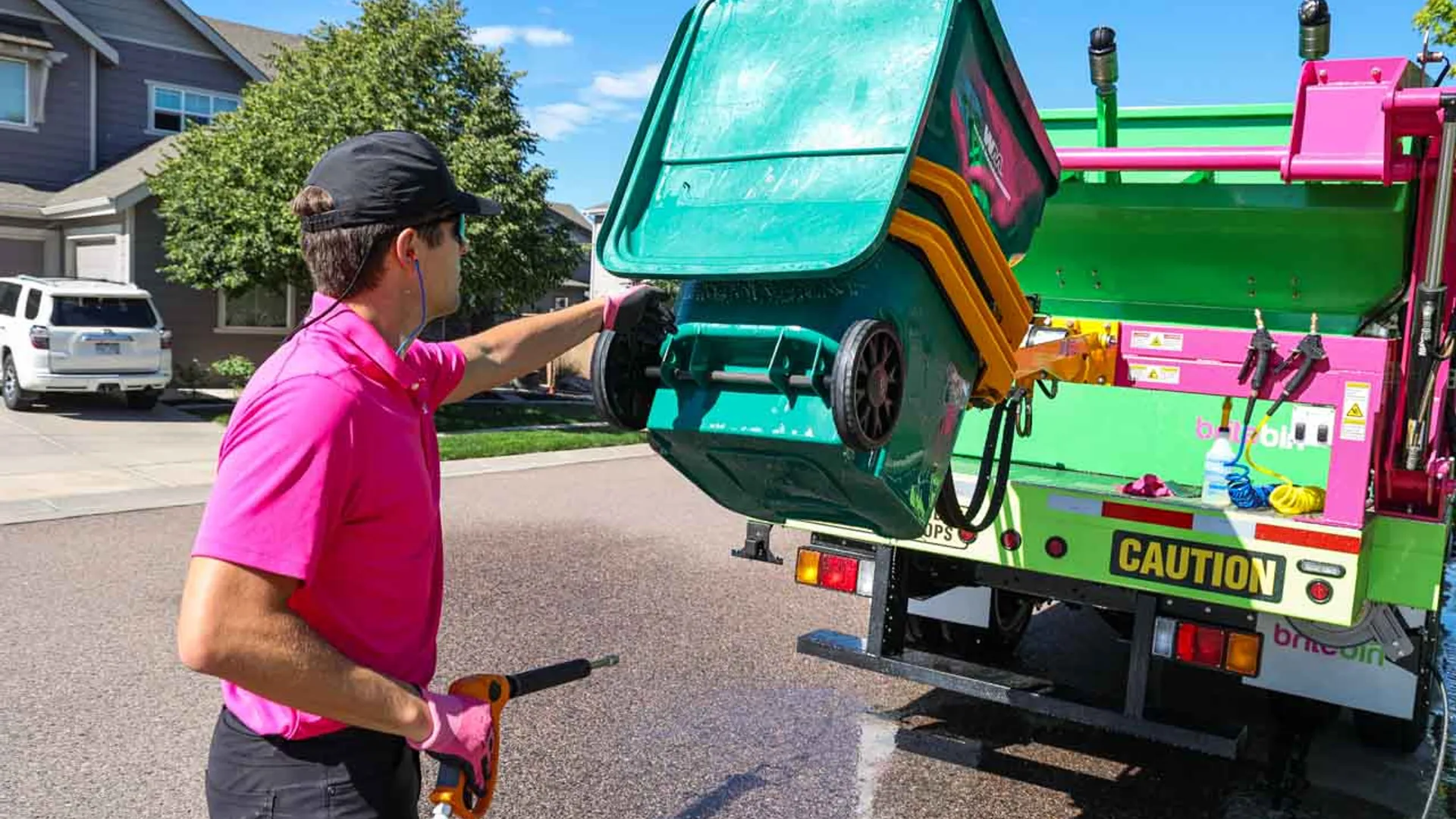

A trash bin cleaning service is exactly what it sounds like: a service that washes, sanitizes, and deodorizes your outdoor bins so you do not have to wrestle with a hose, bleach, and a bad smell on your driveway. If your empty can still reeks after pickup, this is the fix, and it is a lot more common than most people realize.
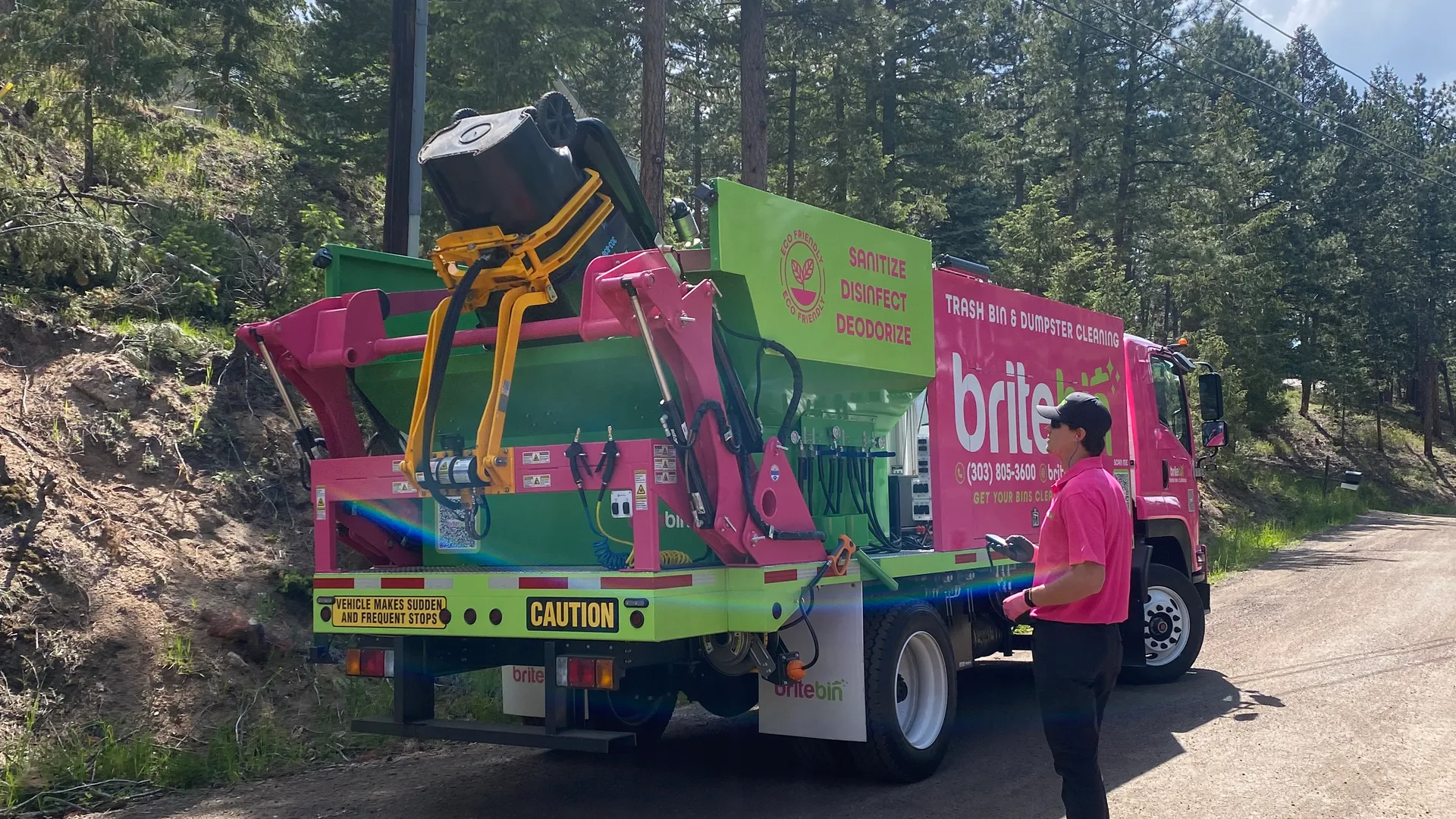
What a trash bin cleaning service does at home
At home, a trash bin cleaning service handles the outdoor containers you use every week, usually trash, recycling, and compost bins. The goal is simple: remove the grime, smell, bacteria, and pest-friendly mess that builds up inside over time.
Here’s the thing, taking out the trash does not actually clean the bin. Leaky bags, food scraps, sticky drink residue, and whatever splashed down the sides last month keep sitting there, especially once the sun heats up the plastic. A cleaning service deals with that leftover mess so your bins stop smelling like a forgotten fridge drawer.
How the service works, step by step
The process is usually very simple on your end. Most of the work happens after your regular trash pickup, when the bins are already empty and ready to be cleaned.
You schedule a cleaning
You usually start by choosing a one-time visit or a recurring plan, then selecting how many bins need service. After that, you enter your address and basic details.
That is really it. No complicated setup, no long checklist, no need to guess what chemicals to buy at the hardware store.
Your bins are cleaned on trash day or pickup day
Most home service happens right after curbside collection. Picture a bin sitting at the curb on a Tuesday morning after the garbage truck has passed. It is empty, easy to access, and ready for a proper wash.
That timing matters because an empty bin can be cleaned thoroughly without trash getting in the way. It also means your bin gets reset before the next bag goes in.
A specialized truck or cleaning system does the dirty work
This is where the service earns its keep. Instead of a garden hose and a scrub brush, the bin is cleaned with high-pressure hot water and equipment built for the job. Many providers use a contained wash system, which means the dirty water is captured instead of running all over your driveway or into the street.
The inside gets sprayed from top to bottom, including the lid, sides, and bottom where sludge likes to settle. When a company says the bin is sanitized, that just means it is cleaned in a way that helps kill germs, then the smell-causing residue is treated too.
The bins are dried, deodorized, and left ready to use
After the wash, leftover debris is cleared out, odors are treated, and the bin is left much fresher than it started. Then it is returned where you expect it, usually near the curb or back by the garage, side yard, or gate depending on the service setup.
Do not expect showroom perfection if the plastic is old and stained. Do expect a bin that smells dramatically better and feels usable again.
What gets removed from a dirty bin
The value of a trash bin cleaning service makes more sense once you think about what is actually living in that can.
Odors that keep coming back
Bad smells usually linger because the problem is not the trash you just removed, it is the residue left behind. Food leaks, spilled liquids, and old organic waste soak into the grime on the bottom and sides. Add heat, and the smell gets baked in like grease on a sheet pan.
That is why an “empty” bin can still smell awful.
Flies, maggots, and other pests
This is the gross part, but it is better to say it plainly. Flies are attracted to the residue inside the bin, and maggots show up when that mess becomes a breeding spot.
Cleaning removes the material pests feed on and lay eggs in. No residue, much less reason for pests to hang around.
Grease, stuck-on grime, and mystery sludge
Almost every neglected bin develops that layer of nastiness at the bottom, especially during summer, after yard waste, or after a torn garbage bag. Sometimes it is grease. Sometimes it is sludge. Sometimes you genuinely do not want to identify it.
Either way, it sticks. That is the mess a proper wash is meant to break down and flush out.
Why homeowners book trash bin cleaning service
People rarely book this service because bin cleaning sounds fun. The appeal is practical.
It saves time and avoids a messy job
Scrubbing a trash bin is like washing a giant blender full of old leftovers. It is awkward, smelly, and easy to keep postponing. You drag the can out, spray water everywhere, try not to gag, and still end up with grime in the corners.
Paying someone with the right equipment to do it fast is often the smarter move.
It helps your bins smell better and stay more usable
A cleaner bin changes the feel of everyday spaces around your home. The garage smells better. The side yard is less nasty. Opening the lid does not feel like a dare.
That sounds small, but honestly, it is one of those quality-of-life fixes you notice right away.
It can help bins last longer
Regular cleaning helps prevent thick buildup from sitting in the plastic for months at a time. A bin still takes normal wear, of course, but less grime and gunk sitting there is generally better for the container.
What types of bins and properties are usually covered
Home service is the main use case, but the category can stretch a little wider.
Residential trash, recycling, and compost bins
Most appointments cover standard household bins, and that can mean one bin or several. Trash is the obvious one, but recycling and compost bins can smell just as bad, sometimes worse.
Larger dumpsters and shared waste areas
Some providers also handle dumpsters, HOA waste areas, apartment enclosures, and other shared setups. That is usually a different kind of job than a quick curbside home visit, but it falls under the same general idea: remove odor, grime, and buildup from waste containers and surrounding areas.
Add-on exterior cleaning services
Some companies also offer related cleaning, like pressure washing around dumpster pads, bin enclosures, or stained concrete nearby. That is secondary to bin cleaning, but it can help when the mess has spread beyond the container itself.
How often you should get your bins cleaned
The right schedule depends on how fast your bins get dirty and how much the smell bothers you.
Monthly service
Monthly cleaning is the easiest set-it-and-forget-it option. It makes the most sense if your home deals with frequent food waste, hot weather, pets, diapers, or strong recurring odors.
If your bin gets gross fast, monthly service usually solves the problem before it turns into a bigger one.
Bi-monthly or quarterly service
If your bins see lighter use, or you mostly want maintenance instead of rescue-level cleaning, every other month or once a quarter can be enough. Cooler seasons also make buildup less aggressive.
One-time cleanings
A one-time visit works well when the problem is already out of hand. Maybe a bag leaked, maybe maggots showed up, maybe guests are coming over and the side yard smells terrible. That is a very normal reason to book.
What to expect before and after the appointment
A few practical details tend to matter most.
What you need to do before service
Usually, the main job is just making sure the bins are empty and accessible after pickup. Move anything blocking them and leave them where the service can reach them. You generally do not need to pre-scrub anything yourself.
How long it takes
A standard home visit is usually quick, especially if you have one to three bins. The exact timing depends on access, equipment, and the condition of the bins, but this is not an all-day appointment.
What your bins should look and smell like afterward
Expect bins that are clean, sanitized, and much fresher. Expect less smell and less visible residue. But old stains, scratches, or damaged plastic may still show. Clean is the goal, not brand new.
How to decide if the service is worth it for your home
You can usually tell pretty fast when this service would make a difference.
Good signs you’ll notice the difference fast
If the smell hits you when you open the garage, if flies gather around the lid, or if the bottom of the bin looks beyond saving, a cleaning will probably feel worth it immediately. The same goes for bins that stay dirty even when empty.
When a recurring plan makes more sense than DIY
If you keep meaning to clean the bins and never actually do it, that is your answer. Regular bin cleaning is one of the easiest quality-of-life fixes around the house, because it removes a problem you deal with every single week.
One simple next step
After your next trash pickup, open the lid and take an honest look. If the bin is empty but still smells, still has sludge at the bottom, or still attracts flies, that is exactly where a trash bin cleaning service fits.
Disclaimer:
This article is for general informational purposes only. It is not professional advice, a quote, or a service agreement. Conditions at your home or property may differ; contact a qualified professional for an on-site evaluation before making repair, safety, or spending decisions.