
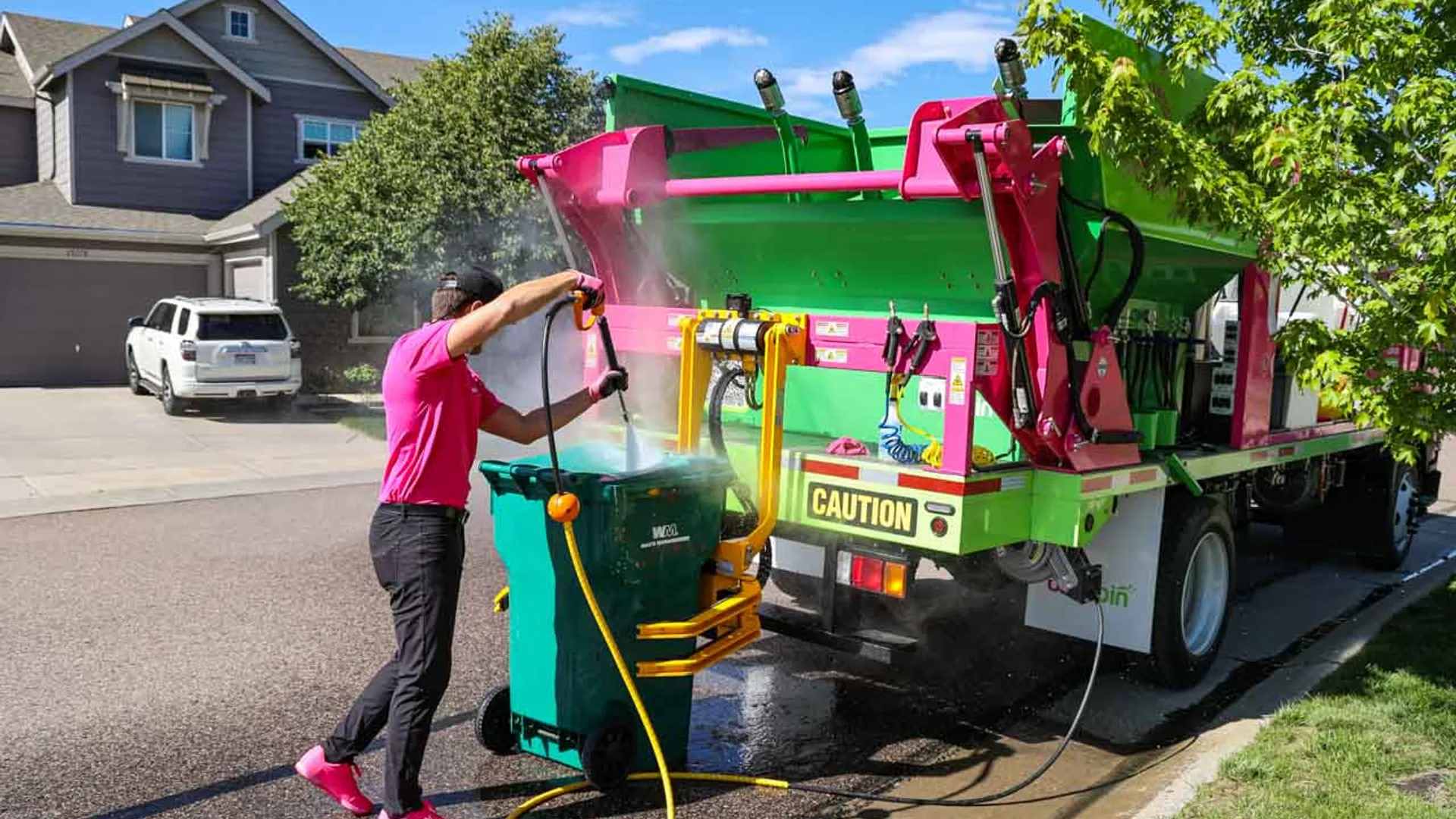

If you keep wondering how often clean trash cans, the practical answer is simple: more often than most people do, but not obsessively. A good starting rule is once a month for indoor cans and every 1 to 2 months for outdoor bins, then adjust based on smell, leaks, heat, and what actually goes into them.
What’s The practical rule for how often to clean trash cans? For most homes, clean kitchen and other indoor trash cans about once a month. Clean outdoor curbside bins every 1 to 2 months. That schedule works well for normal use, and it keeps small messes from turning into the kind of smell you notice the second you open the lid.
Here’s the thing: the calendar is only the starting point. If your bags leak, your garage gets hot, or your can handles food scraps and pet waste, clean it sooner. If your bathroom bin mostly holds dry paper, you can usually stretch it longer.
Why trash cans get gross faster than you think
Trash cans usually do not get nasty because of “trash” in the abstract. The real problem is moisture, drips, crumbs, sticky residue, and warm air trapped inside a closed container. Open the lid on a hot Tuesday afternoon and that smell hits fast for a reason.
Once residue builds up on the bottom or sides, it keeps feeding odor even after the bag is gone. Then stains set in, bacteria multiply, and pests start treating your bin like an invitation instead of a container.
The main things that speed up the mess
Wet waste is the biggest culprit. Food scraps, coffee grounds, leftover takeout, diapers, pet waste, and anything organic break down quickly and leave behind moisture and smell. Dry trash, like paper packaging or empty boxes, usually causes far fewer problems.
The catch is that even a good liner does not solve everything. Small leaks happen. A drip runs down the inside wall. A bag tears near the curb. Add summer heat and a once-fine bin can turn foul in a week.
How often to clean each type of can or bin
Different bins get dirty at different speeds. Treating every can the same is like washing every room in your house on the same schedule. It sounds tidy, but it does not match real life.
Kitchen trash cans
Kitchen cans need the most attention. For light use, about once a month is a solid rule. If food scraps, coffee grounds, produce peels, or frequent spills go in there, every 1 to 2 weeks is better.
This is the messiest can in your home, plain and simple. Even when you use liners, the kitchen bin catches the little leaks and smears that create that sour smell.
Bathroom trash cans
Bathroom cans can usually go every 1 to 2 months if the waste is mostly dry. Tissues, packaging, and cotton swabs do not create much buildup on their own.
But damp wipes, cotton rounds, and anything wet shorten that timeline. If the inside starts looking spotted or sticky, do not wait.
Outdoor residential bins
Outdoor residential bins usually need cleaning every 1 to 2 months. In hot weather, or right after a bag breaks, clean them sooner.
Bins stored near the house or inside the garage deserve extra attention because the smell tends to linger in the whole area, not just inside the container.
Commercial dumpsters and shared bins
Commercial dumpsters and shared bins need a tighter schedule, usually monthly at minimum, and often weekly or every other week for restaurants, apartment communities, offices with breakroom waste, and high-traffic properties.
Use changes the standard here. More volume, more food waste, more odor, more chances for pests, and more people noticing the mess.
Signs your trash can needs cleaning now, not later
Sometimes the can tells you before the calendar does.
Smell that sticks even after you change the bag
If the odor stays after the liner is gone, residue is sitting on the bottom, sides, or lid. The bag was never the whole problem.
Sticky spots, leaks, or mystery sludge
If you see pooled liquid, crusted spills, or that unpleasant grime in the corners, the can is past due. It only gets harder to scrub later.
Flies, maggots, or other pests
Pests are the clearest sign that the bin needs immediate cleaning. Once bugs show up, the issue is no longer just smell. It is sanitation.
What happens if you wait too long
The longer you wait, the stronger the odor gets and the tougher the cleanup becomes. A quick rinse turns into a real scrubbing job.
For businesses, the downside is even more obvious. Dirty dumpster areas make employee spaces feel neglected, create a bad impression near entrances and loading zones, and drag down curb appeal fast.
The easiest way to clean a trash can
You do not need a complicated setup. You just need to do it before the mess bakes in.
What you need
Grab hot water or a hose, dish soap or a degreaser, disinfectant, a scrub brush, and gloves. A degreaser is just a cleaner made to cut through oily residue and grime.
Basic clean in a few steps
Empty the can, rinse it out, scrub the inside, disinfect it, rinse again, and let it dry fully. Drying matters more than people think, because trapped moisture starts the smell cycle all over again.
How to keep it cleaner between washings
The trick is simple: use stronger bags, rinse spills right away, sprinkle a little baking soda in the bottom, and keep the lid closed. Small habits stretch the time between deep cleans.
DIY or professional trash can cleaning? DIY cleaning works fine for occasional upkeep, especially for smaller indoor cans. But outdoor bins, dumpsters, shared enclosures, HOA properties, apartment communities, and business waste areas are a different story.
Professional trash can cleaning saves time and usually does a better job with odor, sanitation, and built-up grime. If your bins keep smelling bad no matter how often you rinse them, that is usually the line where regular service starts making sense.
Common questions about how often to clean trash cans
Should you clean a trash can if you always use liners? Yes. Liners help, but leaks, condensation, and residue still build up over time.
Does hot weather mean you should clean bins more often? Yes. Heat speeds up odor and bacteria growth, so summer usually means shorter intervals.
What if your trash can still smells after cleaning? Odor often hides in the lid, wheels, seams, or bottom corners. Sometimes the can simply did not dry fully before the next bag went in.
A simple schedule to try first
Start with one easy routine: clean your kitchen can once a month, your bathroom can every other month, and your outdoor bin every 1 to 2 months. Then adjust based on what you notice.
Try one cleaning this week, especially that bin in the garage or by the back door. The difference is immediate, and honestly, the whole space feels better once the smell is gone.
Disclaimer:
This article is for general informational purposes only. It is not professional advice, a quote, or a service agreement. Conditions at your home or property may differ; contact a qualified professional for an on-site evaluation before making repair, safety, or spending decisions.