
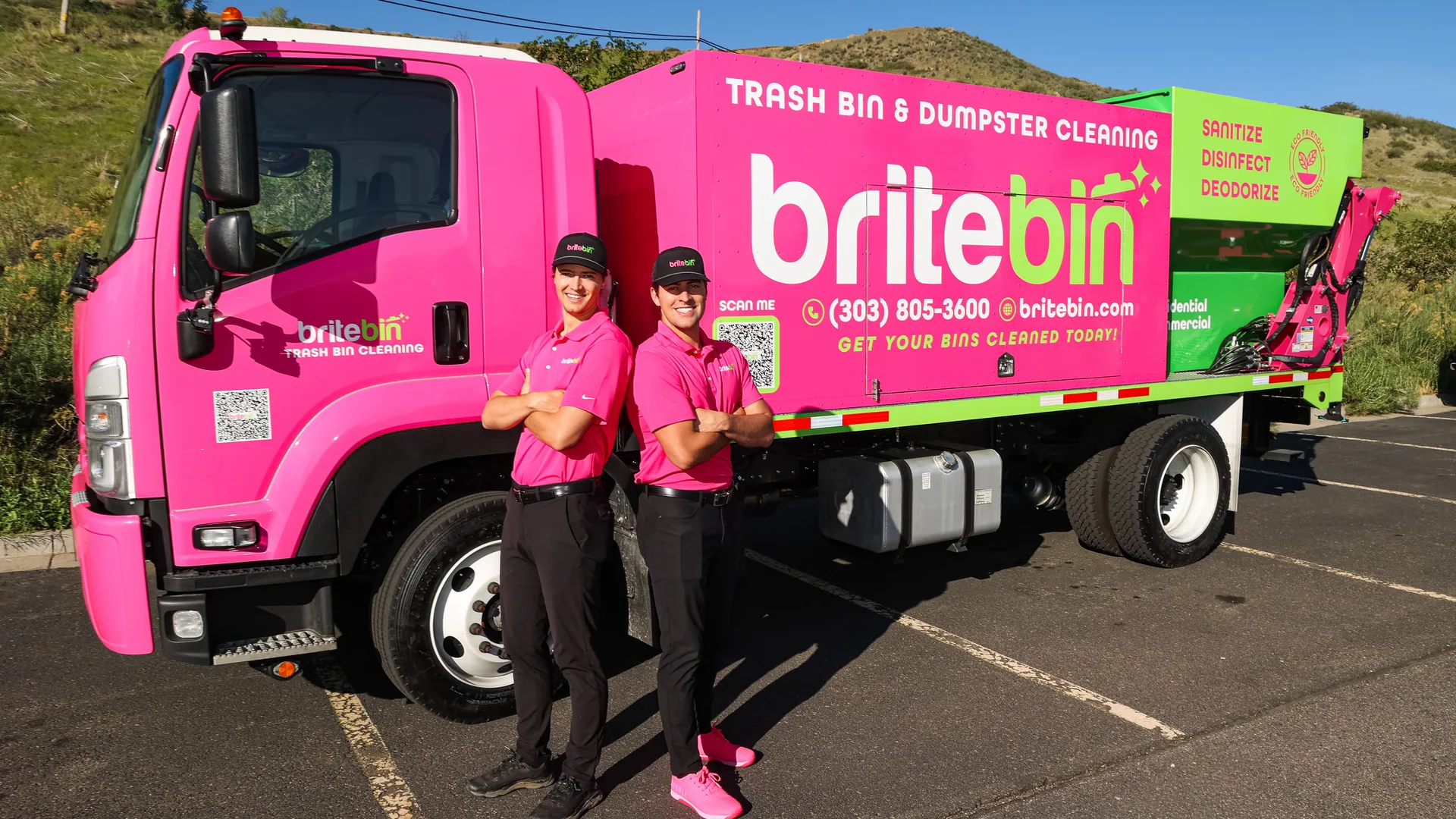

A dumpster cleaning service sounds optional until your trash area starts smelling bad by midafternoon, flies show up fast, and the whole spot makes the property feel neglected. The good news is that booking the right service is pretty simple once you know what actually matters, and what is just a quick spray dressed up as deep cleaning.
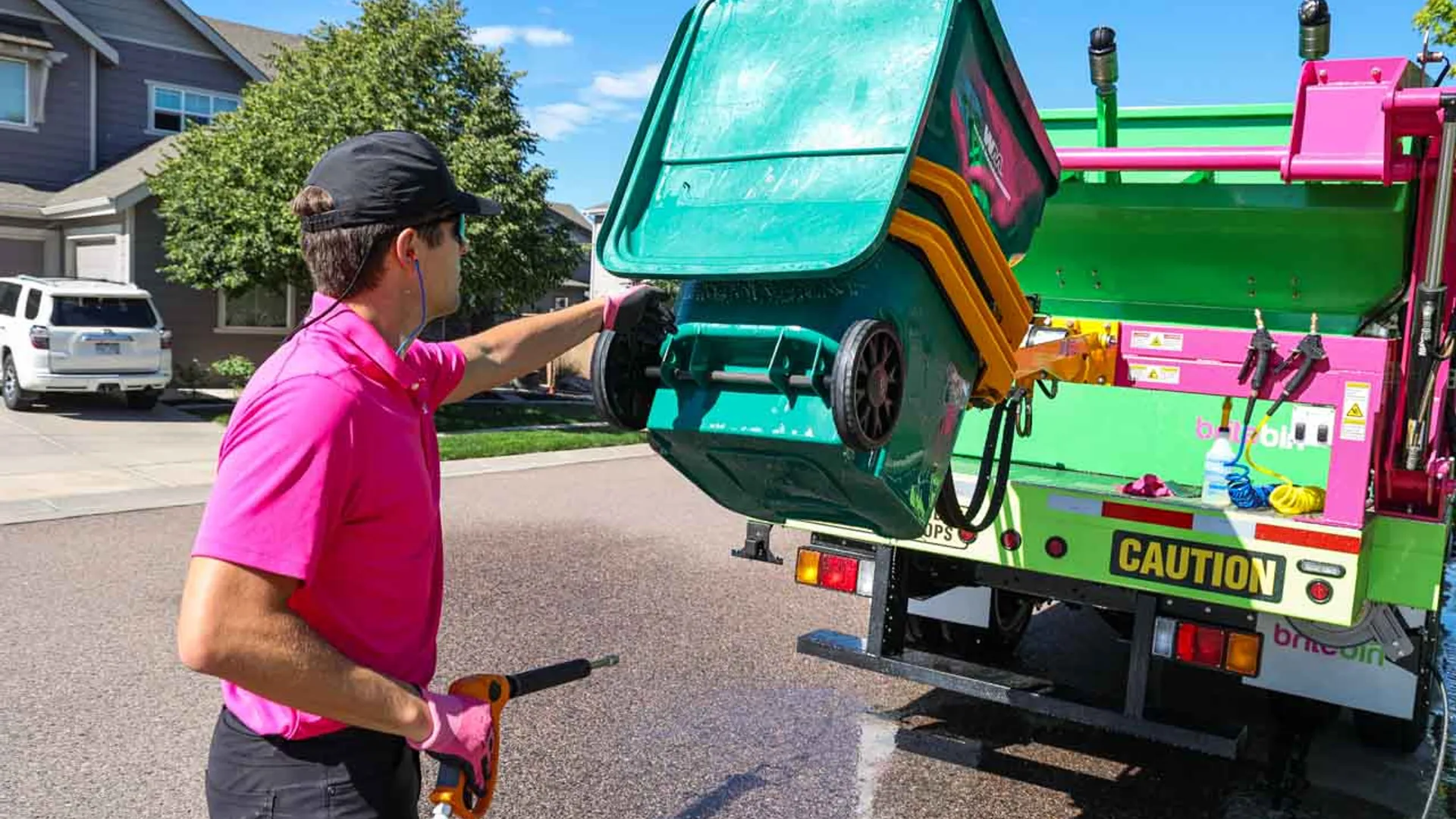
Why a dumpster cleaning service is worth booking
If your dumpster area smells like old grease and sour trash even after pickup day, the problem usually is not the dumpster itself. It is the buildup. Leaked liquids, food residue, grime on the walls, and sludge on the pad all hang around long after the trash truck leaves.
That is where a dumpster cleaning service earns its keep. A real service washes away stuck-on mess, sanitizes surfaces to reduce bacteria, deodorizes to cut lingering smells, and helps reduce the conditions that attract flies and other pests. In plain English, it gets the area back to a state that feels maintained instead of ignored.
For homes, that may mean carts that no longer stink up the garage. For apartments, restaurants, offices, and retail centers, it often means fewer complaints and a cleaner-looking property. Simple as that.
What to look for before you book
The trick is knowing the difference between real cleaning and a rinse that looks good for about six hours. A good provider should be able to explain the process clearly, show proof of results, and handle the messy details without creating new ones.
Cleaning method and water temperature
A basic cold-water rinse can knock loose surface dirt, but it will not do much for grease, sticky residue, or that dark film that keeps odors trapped. Hot water, steam, or high-pressure washing usually does a much better job because heat helps break down grime that plain water leaves behind.
If your biggest issue is food waste, summer odor, or residue that has been sitting for weeks, this matters a lot. Think of it like washing a greasy skillet. Cold water moves the mess around. Heat actually helps remove it.
Sanitizing and deodorizing
These two words get tossed around together, but they do different jobs. Sanitizing reduces bacteria on the cleaned surfaces. Deodorizing targets the smell that keeps hanging in the air even after visible dirt is gone.
If your main problem is odor, flies, or maggots, you want both. Washing removes the source material, sanitizing helps cut the bacteria feeding the smell, and deodorizing handles what your nose still notices. If a service only mentions fragrance, that is not the same thing.
Wastewater handling and environmental practices
Here’s the catch: all that dirty water has to go somewhere. If it runs into a storm drain, that can create a problem you do not want, especially at restaurants, apartment communities, and commercial sites with strict property rules.
A professional setup should have a plan for capturing or properly handling wastewater instead of letting runoff spread across the lot. This matters even more if the dumpster sits near public walkways, curbs, or drains. Clean should not mean pushing the mess ten feet away.
Service reliability and scheduling
Even a good cleaning method gets frustrating if the timing is bad. The sweet spot is usually right after trash pickup, when the container is emptier and easier to clean properly.
Reliable scheduling matters more than people expect. You want a company that shows up on the agreed day, can work around pickup schedules, and offers recurring service if your bins get dirty fast. For a restaurant or busy apartment property, that consistency is half the value.
Proof of quality
Photos help. Reviews help more. The best sign is clear before-and-after proof that shows real results, not just a wet dumpster.
If a company can show a dumpster area cleaned up after a messy summer Friday, there is a good chance the process is dialed in. Look for evidence that includes the pad, enclosure, and surrounding mess, not just the inside of the bin.
Which type of service fits your situation
Not every property needs the same setup. Booking gets easier once you match the service style to the amount of waste, traffic, and buildup you deal with.
One-time cleaning
A one-time cleaning works well for move-outs, event cleanup, property turnover, HOA complaints, or a dumpster area that has gotten out of hand. It is also a good reset if the area has been ignored for months and you want to start fresh.
That said, one-time service is often just that, a reset button. If the same conditions keep causing odor and buildup, the problem usually comes back.
Recurring service: monthly, quarterly, or biannual
Monthly service fits heavy use, food waste, or properties where odor builds quickly. Quarterly works well for moderate traffic and regular buildup. Biannual service can be enough for lighter-duty locations that still need the occasional deep clean.
The right cadence depends on what actually goes into the bins. A busy takeout spot and a quiet office park should not be on the same cleaning schedule, and any honest provider should say so.
Residential trash can cleaning vs. commercial dumpster cleaning
Small-bin service and dumpster service are related, but they are not the same job. Residential carts are easier to access, smaller in scale, and usually focused on odor control around the home.
Commercial dumpster cleaning often involves larger equipment, heavier buildup, grease, tighter access, and more attention to wastewater. If you manage a business or multi-family site, make sure the service is built for that level of mess.
[Pricing](/pricing/): what You’re actually paying for
The cheapest quote is often the least complete one. Price should reflect how much cleaning is actually happening, not just how fast somebody can spray the area and leave.
What changes the price
Cost usually shifts based on dumpster size, number of units, cleaning frequency, access, and how bad the buildup is. Add-ons can change the number too, especially if you want the pad pressure washed or the enclosure cleaned.
Recurring service often costs less per visit than one-off cleanup because the mess is easier to stay ahead of. That makes sense. Maintenance is cheaper than rescue work.
What to ask about add-on services
This is where commercial buyers should pay attention. Dumpster pad cleaning, enclosure washing, gum removal, grease removal, and nearby surface cleanup can make a big difference in how the whole area looks and smells.
Pressure washing matters here, especially if the concrete around the dumpster has old stains or sticky residue. If you want one vendor to handle the whole trash area, ask exactly what surrounding surfaces are included.
How to compare quotes without getting burned
Compare scope, not just price. One quote may include washing, sanitizing, deodorizing, wastewater handling, and service confirmation photos. Another may include little more than a rinse.
Also check for travel fees, minimum charges, and whether the quote covers the area around the dumpster or only the container itself. If two prices are far apart, there is usually a reason.
Red flags and common booking mistakes
A few warning signs can save you from wasting time and money. If the service feels vague before booking, it usually gets worse after.
Vague descriptions of the cleaning process
“Cleaned and deodorized” can mean almost anything. Ask how the work gets done, what equipment gets used, and whether hot water, steam, or pressure washing is involved.
Clear process descriptions are a trust signal. Vague ones are not.
No clear plan for odor, flies, or maggots
Many bookings happen because of one nasty problem, not because somebody suddenly loves sanitation. If odor, flies, or maggots are the issue, the company should be able to explain how cleaning targets organic buildup and odor hotspots instead of just rinsing visible surfaces.
If the answer sounds like perfume over the problem, keep looking.
No insurance, no service area clarity, no real [contact](/contact/) info
Basic trust signals matter. A professional business should have insurance, a clear service area, a real phone number, and a booking process that does not feel sketchy.
If the basics are missing, do not talk yourself into it.
Best choices by use case
Your setup changes what good service looks like. A small office, a restaurant, and a homeowner with oversized carts all need something slightly different.
For restaurants and food-service businesses
Restaurants usually need more frequent cleaning, stronger degreasing, and careful wastewater handling. Food waste builds fast, grease sticks everywhere, and odor can get bad in a hurry.
If your dumpster area smells by lunch, monthly service is usually the right starting point.
For apartments, HOAs, and multi-family properties
Shared dumpsters create shared complaints. Recurring service helps keep the area presentable for tenants, guests, and maintenance staff, especially when traffic is high and trash ends up outside the bin.
Quarterly or monthly service often makes sense here, depending on how rough the area gets between pickups.
For retail, offices, and light commercial properties
If your waste is less messy, you may not need the most frequent schedule. But lighter-duty properties still benefit from regular cleaning because appearance matters, and mild odor problems have a way of turning into bigger ones when ignored.
Quarterly or biannual service is often enough if buildup stays manageable.
For homeowners with extra-large carts or small dumpsters
If your main issue is smelly trash cans, a smaller-scale residential service may be all you need. But if you also have a private or shared dumpster, make sure the provider can handle both the container and the area around it.
Convenience matters here. One visit that fixes the smell and the mess is usually worth more than the lowest price.
Questions to ask before you schedule
A few smart questions can make booking feel much less risky.
Do you clean after pickup day? This matters because access is easier and the results are better when the container is not full.
What’s Included in the service? Confirm that the visit includes washing, sanitizing, deodorizing, and at least basic cleanup around the area.
How often do you recommend service for my setup? A useful answer should be based on your use, not a generic upsell.
Can you handle pad or enclosure pressure washing too? If you want the whole dumpster area cleaned, not just the bin, ask about this upfront.
What do you need from me before the visit? Locked gates, parked vehicles, and blocked enclosures can derail a visit fast. Before you book, ask for a sample scope of work. That one step makes it much easier to see exactly what you’re getting.