
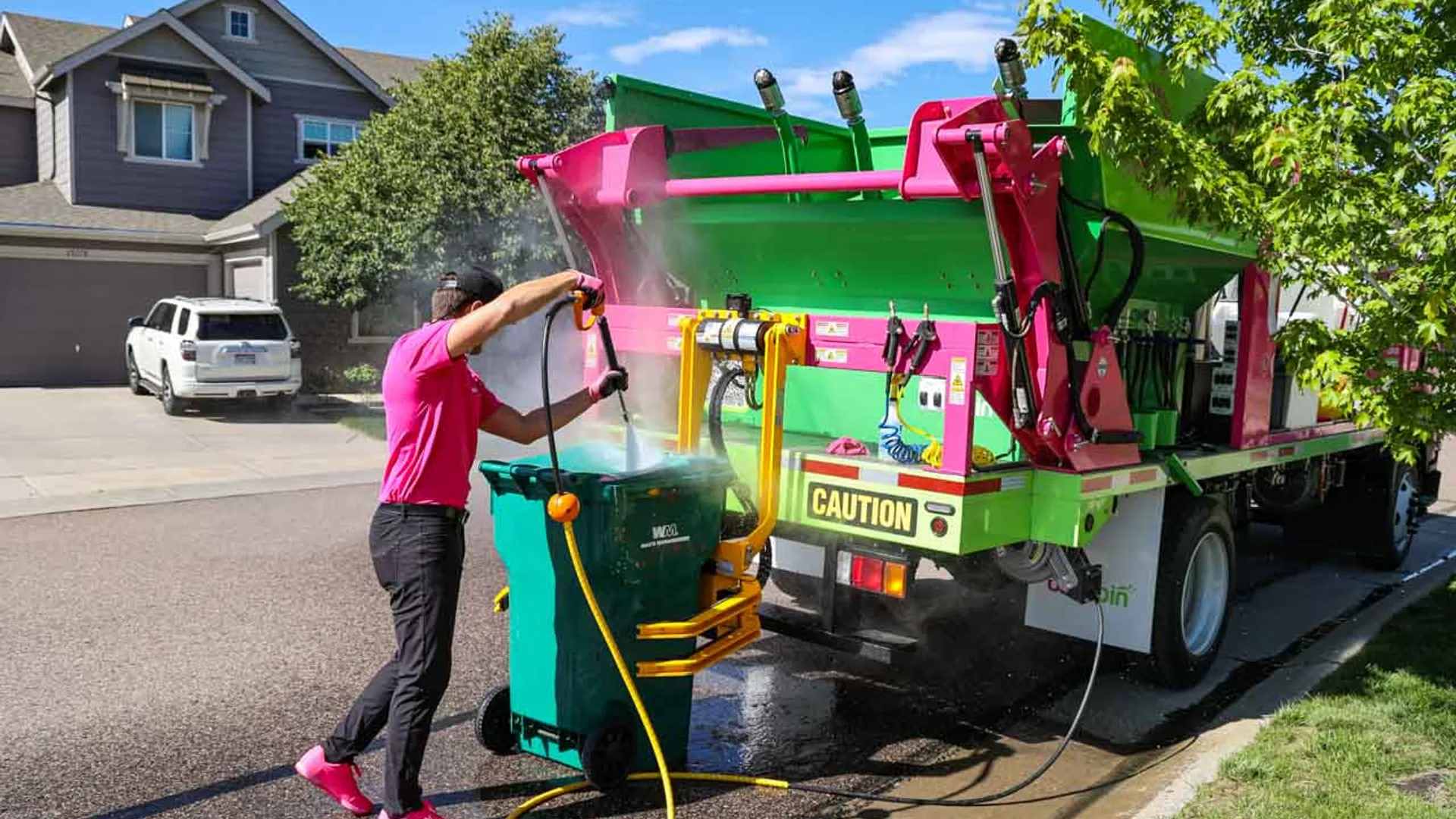

Dumpster odor removal absolutely can fix the problem, but only if the cleaning gets rid of the grime causing the smell in the first place. If you've ever opened a dumpster behind a restaurant at 3 p.m. in July and caught that heavy, sour wall of air, you already know the odor is not coming from "trash" in the abstract. It's coming from residue that stayed behind.
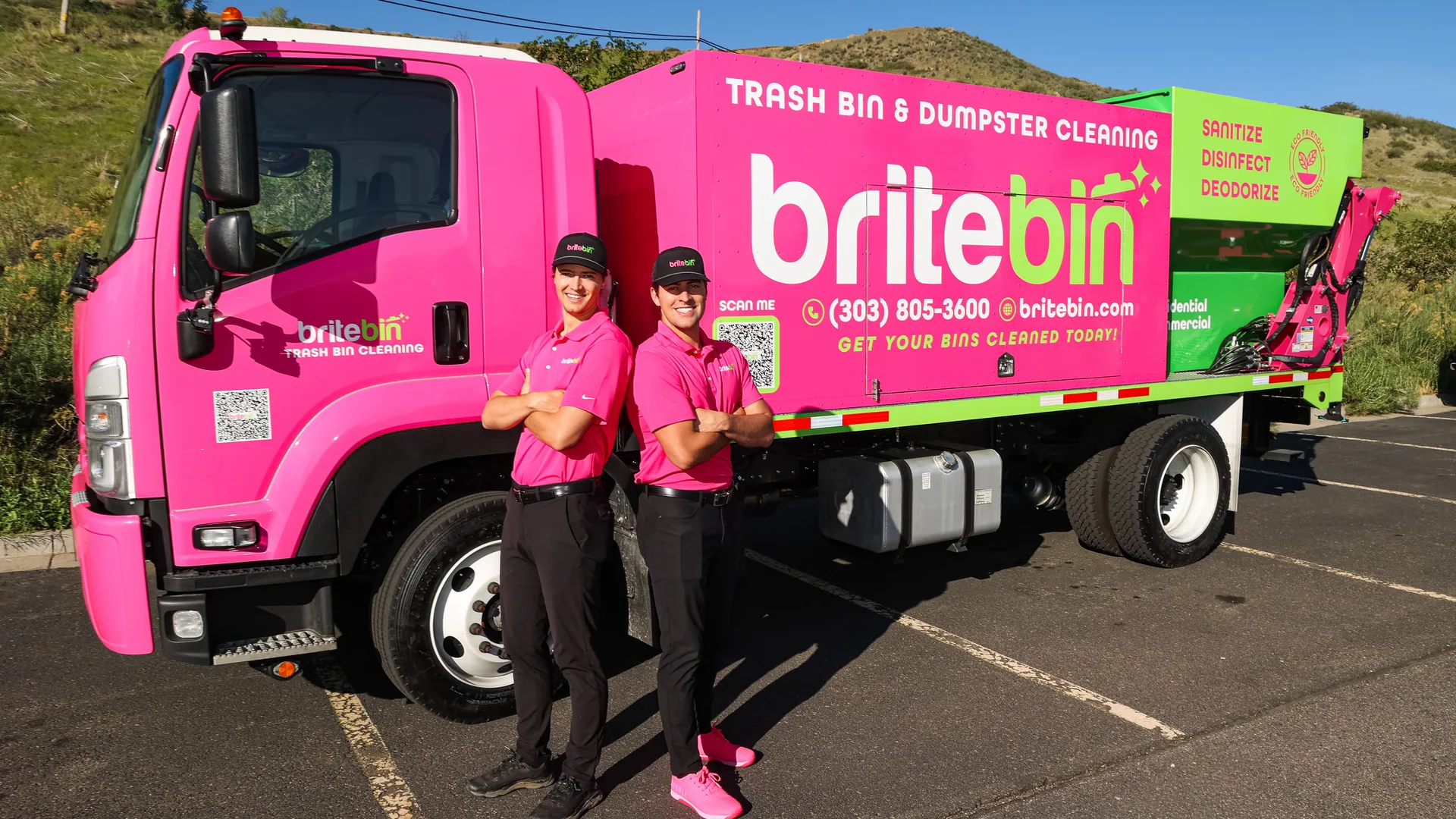
Does dumpster cleaning actually fix odors and pests? Yes, real cleaning helps a lot with both odors and pests.
Here's the thing: bad smells and bug activity usually do not come from a full dumpster alone. They come from what gets left stuck to the inside after pickup, the greasy film on the walls, the liquid pooled in corners, and the splatter around the pad. If that mess stays put, the smell stays too. So do the flies, roaches, and rodents that treat it like a standing invitation.
A proper cleaning breaks that cycle. It removes the material feeding the odor and takes away part of what keeps attracting pests. That does not mean one wash solves every problem forever, but it does mean cleaning is one of the most direct fixes you can make.
What causes dumpster odors in the first place
Most dumpster smells come from food residue, grease, leaked liquids, bacteria, and old waste stuck to the container. Even after the bags are gone, that layer keeps working like a dirty sponge.
That buildup is just old trash juice, grease, and grime that clings to the walls, floor, lid, and drain areas. It keeps feeding odor because moisture and bacteria keep breaking it down. Think of it like a frying pan that still smells after dinner because the grease never got scrubbed off. A dumpster works the same way, just on a much less pleasant scale.
Heat makes everything worse. Warm weather speeds up decay, intensifies smells, and gives flies and maggots exactly the kind of damp mess they want.
Why emptying the dumpster is not the same as cleaning it
Trash pickup removes the obvious waste. Dumpster odor removal deals with what got left behind.
That difference matters more than most people expect. A hauler can empty every bag and the dumpster can still smell terrible an hour later, because the source is now the residue lining the container. If the bottom is sticky, the lid is coated, or leaked liquid has dried into a thick film, the smell is still there.
So if your dumpster smells "empty," it is not really clean. It is just less full.
How dumpster cleaning helps with pest control
Pests follow food smells, moisture, and safe hiding spots. A dirty dumpster offers all three.
Cleaning cuts down the scent trail that draws insects and rodents in. It also removes the damp, sticky grime that gives pests an easy food source. That matters because pests do not need intact trash bags to stick around. A little leaked grease, soaked cardboard, or dried food sludge is enough.
In other words, cleaning does not just make the area smell better. It makes the dumpster less appealing.
Which pests are most attracted to dirty dumpsters
Flies are usually first in line. Moist food scraps and wet residue give them a place to feed and lay eggs, which is why maggots often show up fast in hot weather.
Roaches love damp grime and dark hiding spots, especially around seams, lids, and the area under the container. Ants go after sugary spills and food residue, even if the dumpster itself looks mostly empty. Rodents stick around when the pad has repeated spills, torn bags, and easy access to scraps.
The pattern is simple: if it smells like food and stays wet, pests notice.
The catch: cleaning helps, but it is not a one-step cure
Cleaning works best as part of a routine, not as a one-time magic trick.
If lids stay open, rainwater gets in, bags leak, or trash sits too long between pickups, odors and pest activity can come back fast. The same goes for overflow. Once waste starts piling outside the container, even a freshly cleaned dumpster can turn back into a problem area in a day or two.
So yes, cleaning works. But the catch is that daily habits still matter.
What professional dumpster cleaning usually includes
A real service does more than spray the inside for a few minutes and drive off.
Professional dumpster cleaning usually includes hot water washing, degreasing, sanitizing, and cleaning the lid, sides, floor, and the area around the dumpster. The point is to remove stuck-on residue, cut bacteria, and deal with the spills around the container that keep smells hanging in the air.
That is the difference between a quick rinse and actual odor control.
Hot water and degreasing
Hot water helps loosen grime, but grease is the real troublemaker in many dumpsters. Without a degreaser, greasy residue can stay bonded to the surface even after pressure washing.
This matters most for restaurants, apartment communities, grocery stores, and anywhere food waste is common. Grease traps odor. It also grabs onto new debris, so the dumpster gets dirty faster again. Hot water plus degreasing breaks that cycle much better than cold water alone.
Sanitizing and odor treatment
Once the grime is removed, sanitizing helps reduce the bacteria that create a lot of that rotten, sour smell. Then odor treatment can help neutralize what is left.
But fragrance by itself is not a fix. Spraying a scent over a dirty dumpster is like lighting a candle in a room with spoiled food under the couch. It may smell better for a little while, but the source is still there. Real dumpster odor removal starts with removing the residue first.
Cleaning the dumpster pad and surrounding area
This part gets overlooked all the time.
Leaks, splatter, and soaked trash juice around the dumpster pad can keep odor and pest problems going even if the container itself gets cleaned. Concrete is porous, which means it can hold onto smells more than you would expect. If the area around the dumpster has dark stains, sticky spots, or pooled liquid, that needs attention too.
That is where pressure washing can help, especially on nearby concrete and enclosure walls. It is not the whole solution, but it can be a very useful part of one.
When cleaning works best and when it falls short
Cleaning works best for routine odor problems caused by food waste, residue, spills, and normal pest attraction. If your main issue is "it smells awful every pickup day" or "flies keep hanging around the dumpster," cleaning usually makes a noticeable difference.
Where it falls short is when the problem goes beyond dirt. A damaged dumpster with rust holes, a broken lid, bad drainage, or a serious infestation may need more than washing. If liquid keeps collecting in the bottom or pests have already settled into the enclosure area, you are dealing with more than surface grime.
Cleaning is powerful, but it cannot fix a structural problem.
Signs your dumpster needs more than a wash
Some red flags point to a bigger issue. Cracked lids let in rain and give pests easy access. Standing liquid at the bottom means drainage is failing or waste is sitting too long. Rust holes and damaged seams can hold contamination and make full cleaning harder. Frequent overflow creates constant new mess. Pest activity right after service is another sign that something deeper is going on.
If you notice those issues, cleaning still helps, but it should not be the only fix.
How often a dumpster should be cleaned
The right schedule depends mostly on what goes into the dumpster and how fast it fills up.
Food-heavy properties need more frequent cleaning because smells build fast and pests respond even faster. Places with dry waste, like office paper or packaging, usually can go longer between services. Hot weather also changes the math. A dumpster that seems manageable in January can become a problem by late spring.
A simple rule works well: if you smell the dumpster before you reach it, your schedule is probably too light.
Suggested cleaning schedules by property type
Restaurants usually need the most frequent service, often monthly or even more often in hot months. Apartment communities tend to benefit from regular cleanings during warmer seasons, especially if residents toss loose bags or bulky trash. Grocery stores, convenience stores, and food-related businesses also do better with frequent service because leaks and organic waste build up quickly.
Office buildings and many retail locations can often get by with less frequent cleanings, assuming the waste is mostly dry and pickups happen on time. But if break rooms, spoiled products, or shared outdoor bins are part of the mix, the schedule may need to tighten up.
Simple steps that help odors stay gone longer
Cleaning does the heavy lifting, but a few small habits help the results last longer.
The trick is to reduce moisture, limit leaks, and keep food smells from getting a head start again. None of this is complicated. It just needs to happen consistently.
Keep lids closed and bags sealed
Closed lids do three useful things at once. They hold smells in, keep rainwater out, and make access harder for pests.
Sealed bags help too, because loose waste leaks faster and coats the dumpster interior sooner. If your bags are tearing regularly, a thicker bag is often a cheap fix with a big payoff.
Deal with leaks fast
A small spill can turn into a lingering odor problem surprisingly fast, especially on warm concrete.
Clean up leaks before they soak into the dumpster pad and start smelling like an old mop bucket left in the sun. That smell tends to stick around longer than expected, and once it gets baked in by heat, removing it takes more effort.
Avoid letting trash sit too long
Pickup timing matters just as much as cleaning frequency.
If trash sits too long, especially in summer, the odor builds fast and pests get comfortable. Even a clean dumpster can become foul if waste stays cooking for days. If you keep running into smell issues right before pickup, the problem may be the pickup schedule, not just the cleaning schedule.
Common questions about dumpster odor removal
A few concerns come up again and again, usually because quick fixes sound tempting.
Will deodorizer alone fix a smelly dumpster? No. Deodorizer can cover the smell for a short time, but it does not remove the residue producing the odor.
If the inside still has grease, leaked liquid, and old waste stuck to it, the smell comes back. Sometimes it comes back mixed with fake lemon scent, which is honestly worse.
Can dumpster cleaning get rid of maggots and flies? Cleaning helps a lot because it removes the wet, decaying material that attracts flies and gives them a place to breed.
But if you already have heavy fly or maggot activity, better trash handling and pest treatment may also be needed. Cleaning removes the welcome mat. It does not always remove every pest overnight.
Is pressure washing enough for dumpster cleaning? Not usually.
Pressure washing helps with visible grime and can do a good job on concrete around the dumpster, but true dumpster odor removal usually needs degreasing and sanitizing too. If grease and bacteria are the source, blasting water alone may not get the job done.
What should you try first? Start with one simple move: get the dumpster checked for stuck-on residue, leaking bags, and spills around the pad, then schedule a real cleaning if the inside feels sticky or smells sour even when empty.
That one step usually tells you a lot. If the odor drops right away after a proper wash, you found the problem. If it comes right back, the dumpster is asking for a deeper fix.