
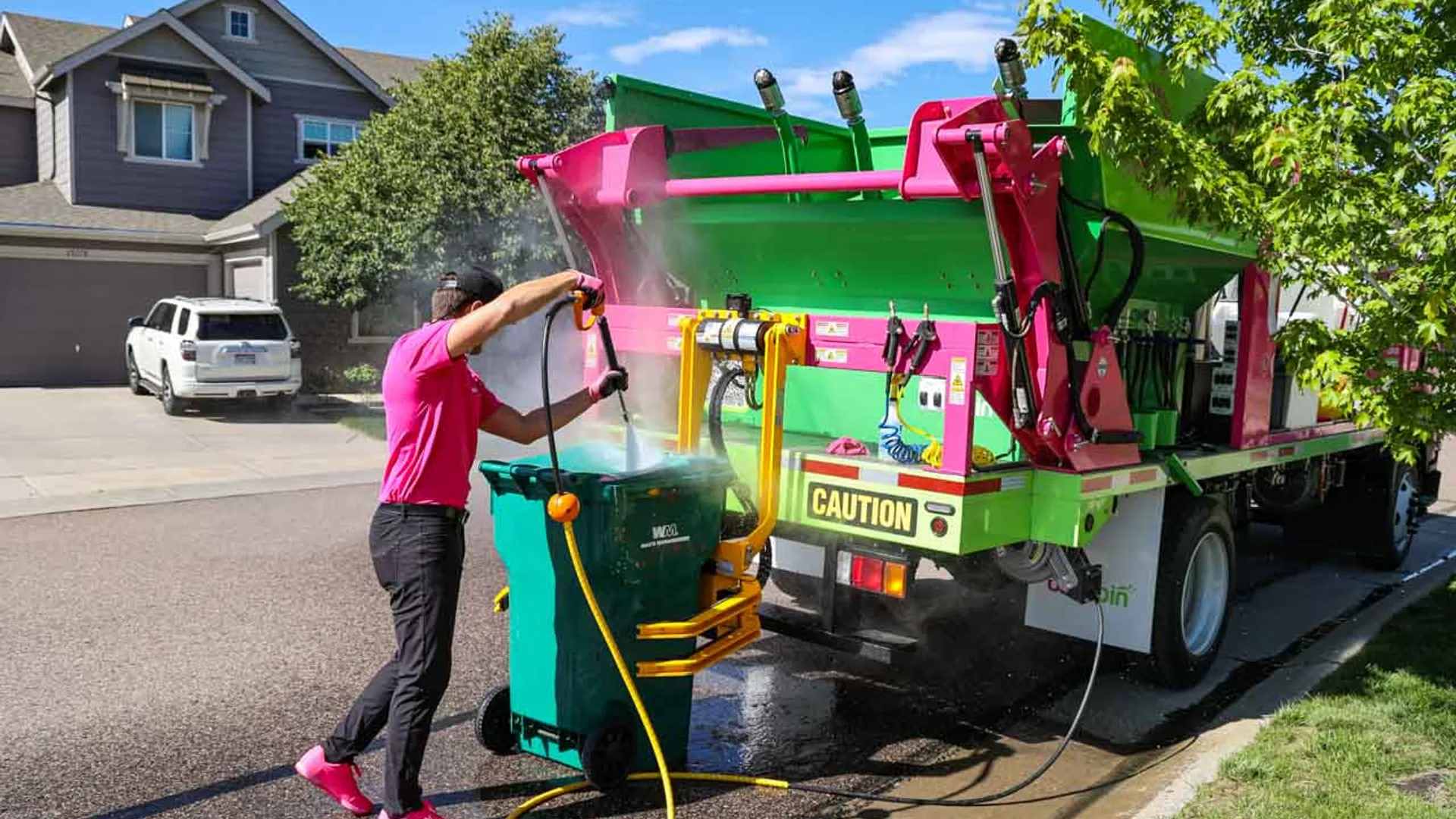

A dumpster can go from mildly gross to full-on problem faster than most teams expect. Dirty dumpster signs usually show up in small, easy-to-miss ways at first, then suddenly you have odors drifting across the parking lot, pests near the back door, and complaints nobody wants to deal with. If you know what to watch for, you can catch the mess before it starts running the place.
1. The smell hits before you even reach the enclosure
If you can smell the dumpster before you open the gate, that is not just normal trash doing normal trash things. That kind of odor usually means old food waste, trapped liquid, grease, and bacteria have been sitting long enough to build up on the inside walls and floor.
Heat makes it worse fast. One hot afternoon behind a restaurant or apartment building can turn a manageable container into something that stinks up the whole service area. And once the smell starts drifting toward a loading dock, breezeway, or customer parking area, the problem is no longer contained.
Why odor matters more than most teams think
Odor is often the first major warning sign because you notice it before you see the grime causing it. Here's the thing: if the smell is strong from the gate, the buildup inside is already past the quick-rinse stage. At that point, the issue is not just trash volume. It is residue that has settled in and started breaking down.
2. Trash juice or mystery liquid is pooling underneath
Few dirty dumpster signs are clearer than dark liquid pooling under the container. If you keep seeing sticky puddles, stained runoff, or that familiar mystery sludge near the wheels, you are looking at more than a one-time spill.
That liquid usually comes from rotting waste, leaking bags, built-up grime, or clogged drainage points inside the dumpster. It seeps out slowly, then sits on the pad and keeps cooking in the sun. The smell gets worse, the surface gets slippery, and the whole area starts feeling neglected.
What to check around the base
Look at the concrete around the front edge, the back corners, and the wheel area. Hot days make leaks easier to spot, and so does the period right after pickup. If residue is still there after the trash is gone, the mess is coming from the container itself, not just from what was inside that day.
3. Flies, maggots, or other pests keep showing up
Pests are not subtle for long. Flies, maggots, roaches, and rodents show up when a dumpster starts acting like a steady food source instead of a sealed holding spot for waste. That is a big jump from ordinary mess to sanitation issue.
Maggots are especially telling because they do not appear out of nowhere. By the time you see them, organic waste and moisture have usually been sitting long enough to support active breeding. At that point, taking out the trash alone will not solve it.
Common pest clues your team can spot fast
Buzzing around the lid is one clue. Insects gathering along the rim or corners is another. You might also notice droppings nearby, gnaw marks, or more movement around dawn and dusk. The trick is to treat those signs early, before the area becomes the place every pest in the block wants to visit.
4. The lid Won’t close cleanly
A lid that will not shut all the way is a problem even when the dumpster is not overfilled. Rain gets in, heat gets trapped, and pests get easy access. It turns a bad situation into a worse one.
Sometimes the issue is mechanical, but often it is simpler than that. Caked-on residue around the rim, thick grime near the hinges, or sticky waste along the edges can stop the lid from sealing the way it should. It is like trying to close a refrigerator door with syrup on the gasket. It technically moves, but it is not doing its job.
When this is a cleaning issue, not just an overflow issue
If the dumpster has been emptied and the lid still does not close properly, buildup is the likely culprit. That means the container needs actual cleaning, not just another pickup.
5. There’s Visible grime on the walls, lid, or handles
Once you can see grease, sludge, black streaks, or crusted residue on the dumpster, the problem has moved beyond surface-level dirt. Visible grime means waste has been collecting over time, sticking to the container, and turning into a sanitation issue.
The outside matters too. A dumpster does not have to be overflowing to look bad. Sometimes the lid, side panels, and front face are coated with enough buildup to make the whole area feel dirty, even from a distance.
High-touch spots your team should not skip
Pay attention to handles, lid edges, side rails, and enclosure gates. Those are the spots your staff touches during quick trash runs, often without thinking much about it. If grime is collecting there, it transfers to gloves, hands, carts, door handles, and nearby surfaces almost immediately.
6. Complaints start coming in from staff, tenants, or customers
When people start mentioning the dumpster area, believe it. Complaints about smell, bugs, or appearance are not overreactions. They are usually a sign that the issue has become part of daily life on the property.
This matters because most people put up with a lot before saying anything. If comments are coming in, the problem has already crossed the line from background nuisance to active annoyance. And once that happens, the dumpster starts shaping how the whole place feels.
Signs the dumpster is hurting first impressions
Back-door employee entrances, apartment breezeways, restaurant alleys, and customer parking areas are where this shows up fastest. A dirty dumpster near any of those spaces changes the experience right away. Even if everything else looks tidy, that one area can make the site feel poorly maintained.
7. The area around the dumpster stays dirty even after pickup
A clean pickup does not always mean a clean dumpster area. If the pad still looks stained, sticky, or scattered after collection day, the problem is buildup, not just how much trash you had.
This is one of the most overlooked dirty dumpster signs because it is easy to blame the hauler, the weather, or the last bag that broke. But if the concrete is consistently marked up and the wall behind the dumpster has splatter or residue, the container is leaving a mess behind every single week.
Why the surrounding pad matters
The surrounding pad holds onto grime the same way a kitchen floor under the stove does. It stays out of sight just enough to avoid attention, until one day it is impossible to ignore. Once grease, liquids, and waste soak into that area, odors linger longer and cleanup gets harder.
8. Rain makes the problem worse, not better
Rain does not clean a dirty dumpster. It just stirs the mess around.
When rainwater hits built-up waste and residue, it mixes with it, spreads it, and carries the smell farther. Instead of washing the area fresh, it creates runoff that pushes contaminated liquid across the pad and sometimes toward drains or walkways. That is why a dumpster area can smell even worse after a storm than it did before.
What rainwater reveals
Watch for streaking down the sides, trails leading away from the pad, and stronger odor the morning after rain. Those are signs old buildup is still sitting there, waiting for water to wake it back up.
9. Your team dreads going near it
This one sounds informal, but it is real. If your staff avoids the dumpster area, rushes through trash runs, or keeps bringing it up, the condition of the dumpster is already affecting day-to-day operations.
People work differently around unpleasant spaces. Bags get tossed from farther away. Quick checks get skipped. Small spills stay where they land because nobody wants to linger. Before long, the dirty area starts creating more mess simply because nobody wants to get close enough to manage it properly.
Operational problems that show up first
You will notice slower trash runs, messier bag drops, missed inspections, and more accidental spills. The catch is that these do not always look like cleaning problems at first. But that is exactly what they are.
10. The dumpster looks stained, rusted, or older than it should
A dirty dumpster ages fast, at least visually. Heavy staining, old residue, and neglected exterior surfaces can make a perfectly usable container look like it belongs in a forgotten alley behind a closed building.
That matters more than it sounds. A dumpster that looks beat-up sends a message that the rest of the property is not getting attention either. In some cases, grime even hides damage until it gets worse, which makes repairs harder to catch early.
Cleaning vs. replacement
Not every ugly dumpster needs to be replaced. Some do need repair, especially if rust or broken parts are involved. But plenty of containers simply need a serious wash to look and function better again. The difference can be bigger than expected.
11. Pressure washing nearby surfaces still Doesn’t fix the area
If you pressure wash the pad, walls, or enclosure doors and the area still ends up dirty again almost immediately, the dumpster itself is probably the source. Cleaning around the container without cleaning the container is like mopping around muddy shoes. The mess just keeps coming back.
This is where people waste time and money. The surrounding surfaces matter, especially in back-of-house areas, but they cannot stay clean if the dumpster keeps leaking odor, grime, and residue onto them.
Where combined cleaning makes sense
Dumpster pads, enclosure walls, loading docks, and service alleys often need attention together. If the container and the surrounding surfaces are both dirty, treating one without the other rarely lasts.
12. You Can’t remember the last time it was properly cleaned
Sometimes the biggest sign is the simplest one. If nobody knows when the dumpster was last professionally cleaned, it has probably been too long.
Dirty dumpsters do not fix themselves. Residue builds slowly, then suddenly all the usual signs show up at once: smell, pests, stains, sticky concrete, frustrated staff. By that point, what could have been a simple routine service has turned into a bigger headache.
One simple next step
Set a recurring cleaning schedule based on how much waste you generate, what kind of waste goes in, and how hot your busy season gets. Start there. One regular habit can stop most dirty dumpster signs before your property starts smelling, looking, and operating worse because of a container out back.