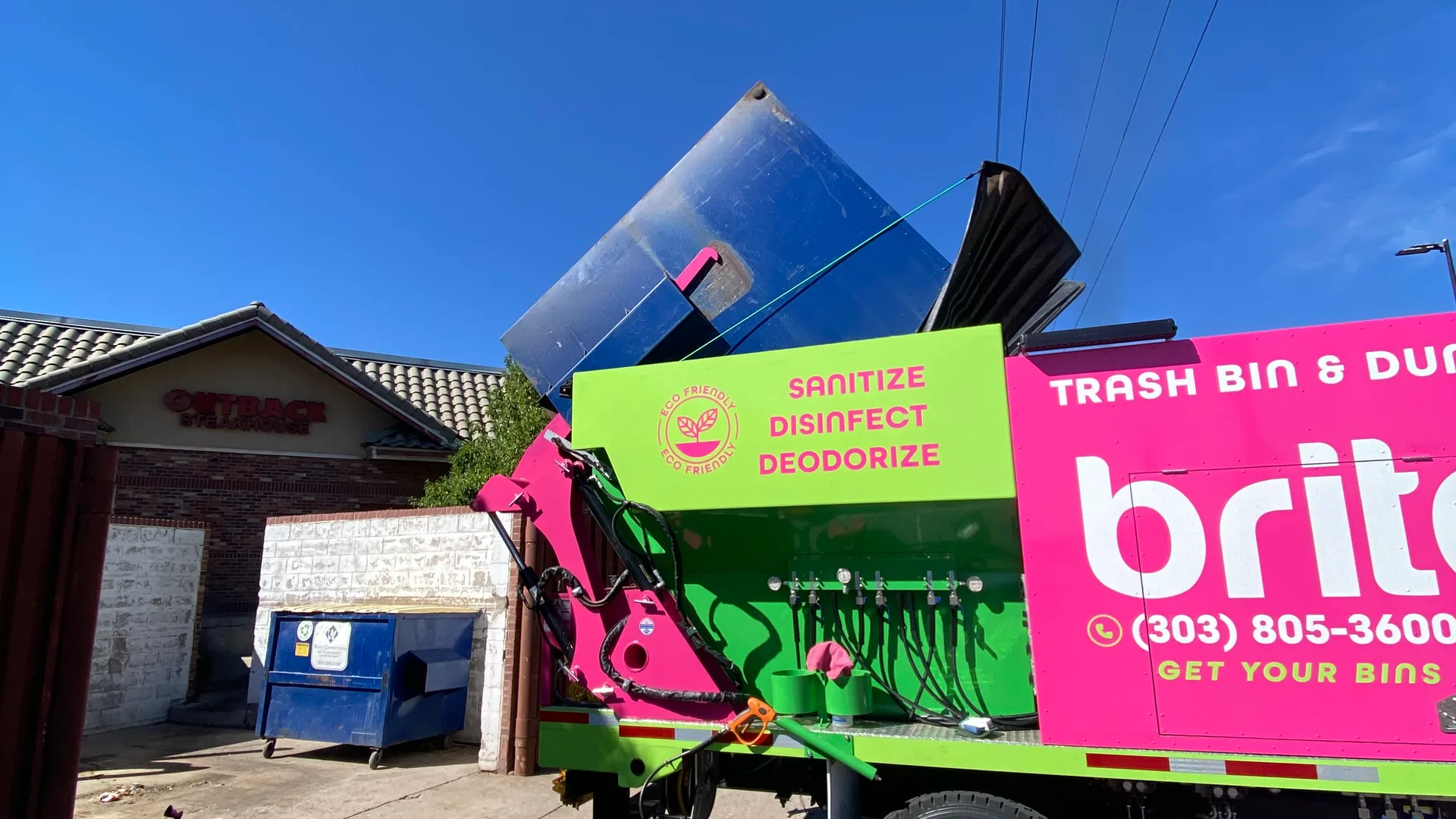


Not every Denver metro address needs the same first move. Homeowners worry about compost lids while property managers stare at dumpster pads tenants walk past daily. This paper quiz lives entirely in paragraphs: five questions, no forms, then four outcome blocks based on which answers dominated. Britebin stages from Golden and routes west metro loops on purpose, so outcomes point to realistic tiers on pricing, honest geography on our service area hub, and follow up reads instead of a single sales script.
Question one: what bothers you first on a warm afternoon? If odor from empty carts hits before fullness, you lean residential film and biofilm work. If streaks on enclosure doors or pad grit bothers you before smell, you lean commercial presentation. If only the green compost lid feels sour while trash looks fine, note compost stream cadence separately. If guests comment on alley presentation before you notice smell, shared sight lines and HOA rows matter. Residential film readers should start on residential tiers and the article on why bin smell comes back in summer.
Question two: where do containers live day to day? Curb placement in Lakewood or Arvada routes differently than Denver alleys or Golden slope driveways. Narrow lanes, gate codes, and fire lane clearance change crew staging. If you manage a retail pad behind a building, commercial access notes belong in the first message, not after a missed window. Alley and curb answers should include photos and cross streets in a contact request. Routing honesty appears in Colorado based routing.
Question three: who notices the problem? Only your household means per bin enrollment and flexible frequency. Neighbors and board members mean presentation and shared rows matter even when smell is mild. Tenants and delivery drivers mean commercial pads and enclosure doors are curb appeal, not a back of house afterthought. HOA and townhome patterns are covered in HOA and townhome bins. Property managers comparing dumpster presentation should read commercial dumpsters and curb appeal before locking cadence.
Question four: how fast does the issue return after you rinse? Returns within a few days in heat point to biofilm and residue, not one bad bag. Returns only after festivals or catering weekends point to volume spikes on commercial pads. Returns on compost only point to organics film under sustained sun, detailed in compost cart film when sustained heat hits the west metro. Returns only when school schedules change point to household rhythm shifts in school wind down and household bin rhythm.
Question five: what are you willing to adjust besides cleaning? Moving carts out of afternoon sun, fixing lid hinges, and scheduling after municipal pickup all amplify professional visits. If you will not change placement or timing, say so upfront so quoted frequency matches reality. Scheduling after empty pickup is explained in scheduling after city trash day. Golden local habits appear in Golden trash and recycle bin cleaning guide when slope and wildlife notes matter.
Outcome A: residential odor and film lead. You likely need per bin cadence on trash, recycle, and compost with first visit after city pickup. Start with residential tiers and confirm address density from Golden staging. Bump compost monthly while recycle stays every two months if only green lids sour. Use contact with photos after pickup and cross streets for Denver, Lakewood, Arvada, or Wheat Ridge loops.
Outcome B: presentation and shared sight lines lead. HOA rows, townhome clusters, and alley facing homes care how carts photograph even when smell is moderate. Per bin enrollment lets partial rows participate. Read HOA and townhome bins and pair presentation goals with realistic frequency from pricing. Mention board contacts and curbside rules before the first visit so crews align with association calendars.
Outcome C: commercial pads and enclosures lead. Food service grease, retail cardboard dust, and multifamily shared pads need per container cadence matched to volume. Weekly or every two weeks beats monthly when summer foot traffic doubles behind buildings. Start on commercial quoting with container count, gate codes, and photos after rain. Pair with commercial dumpsters and curb appeal when tenants and shoppers pass enclosures daily.
Outcome D: seasonal rhythm and local routing lead. School schedule shifts, sustained compost heat, and foothill wildlife patterns mean frequency should flex by season rather than one flat calendar. Read school wind down and household bin rhythm and compost cart film when sustained heat hits the west metro together when household and yard volume both climb. Confirm Golden or west metro route fit before committing across summer peaks.
Most readers blend two outcomes. A homeowner in Arvada may be Outcome A on compost and Outcome B on alley presentation. A property manager may be Outcome C on pads and Outcome D on event week spikes. Send mixed notes openly; we tune quotes per stream and per container instead of forcing one label. Nothing in this quiz replaces confirming your address against active density. Use outcomes as a sorting hat, then call or submit the contact form with photos, access notes, and which question mattered most. We will answer with the next realistic loop from Golden before you lock summer cadence.