
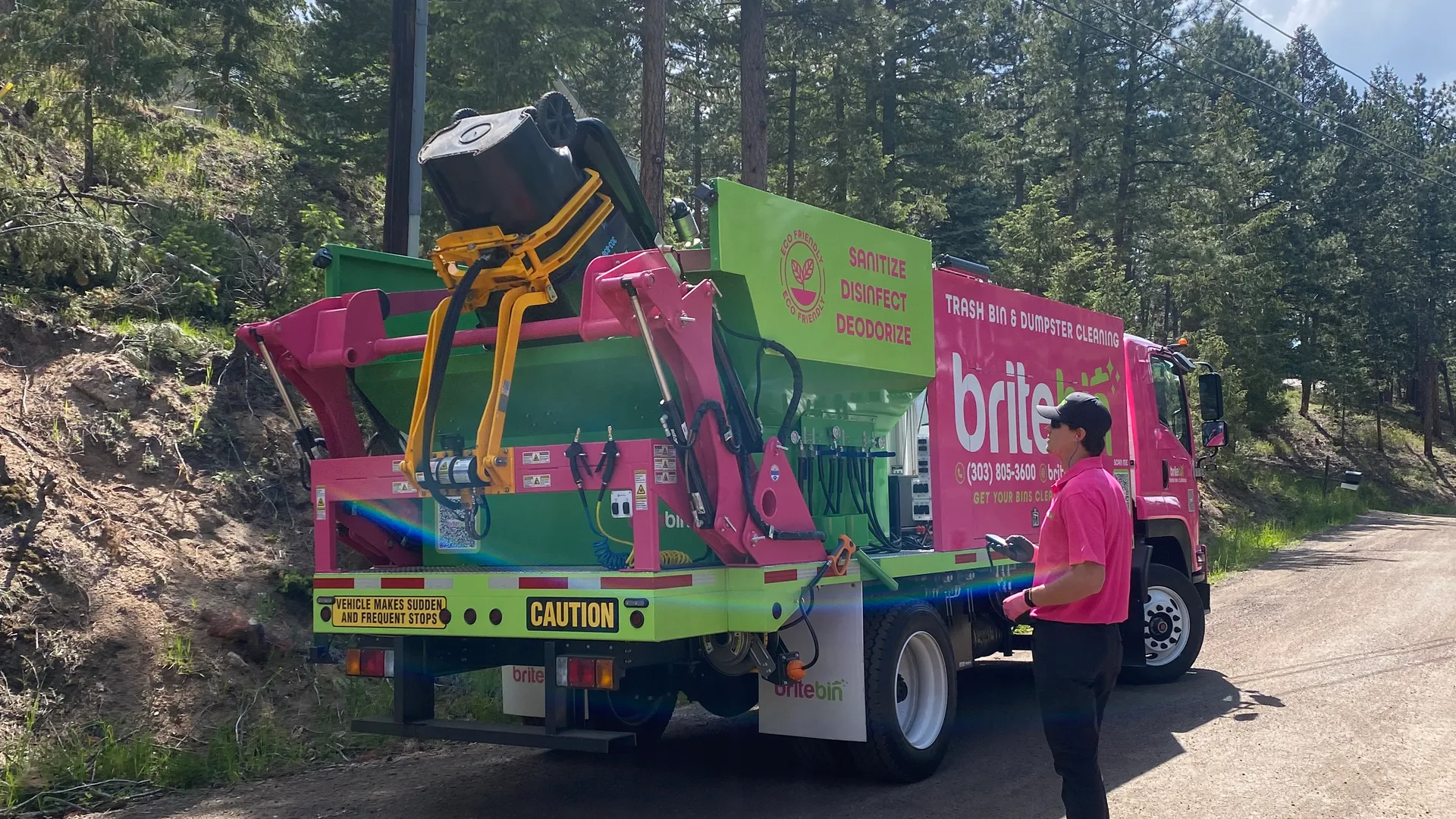

If your kid grabs the trash can handle right after pickup day, the question gets real fast: are trash can cleaning chemicals actually safe around kids? Yes, many are, as long as the products are used correctly, rinsed well, and allowed to dry before little hands touch the lid again.
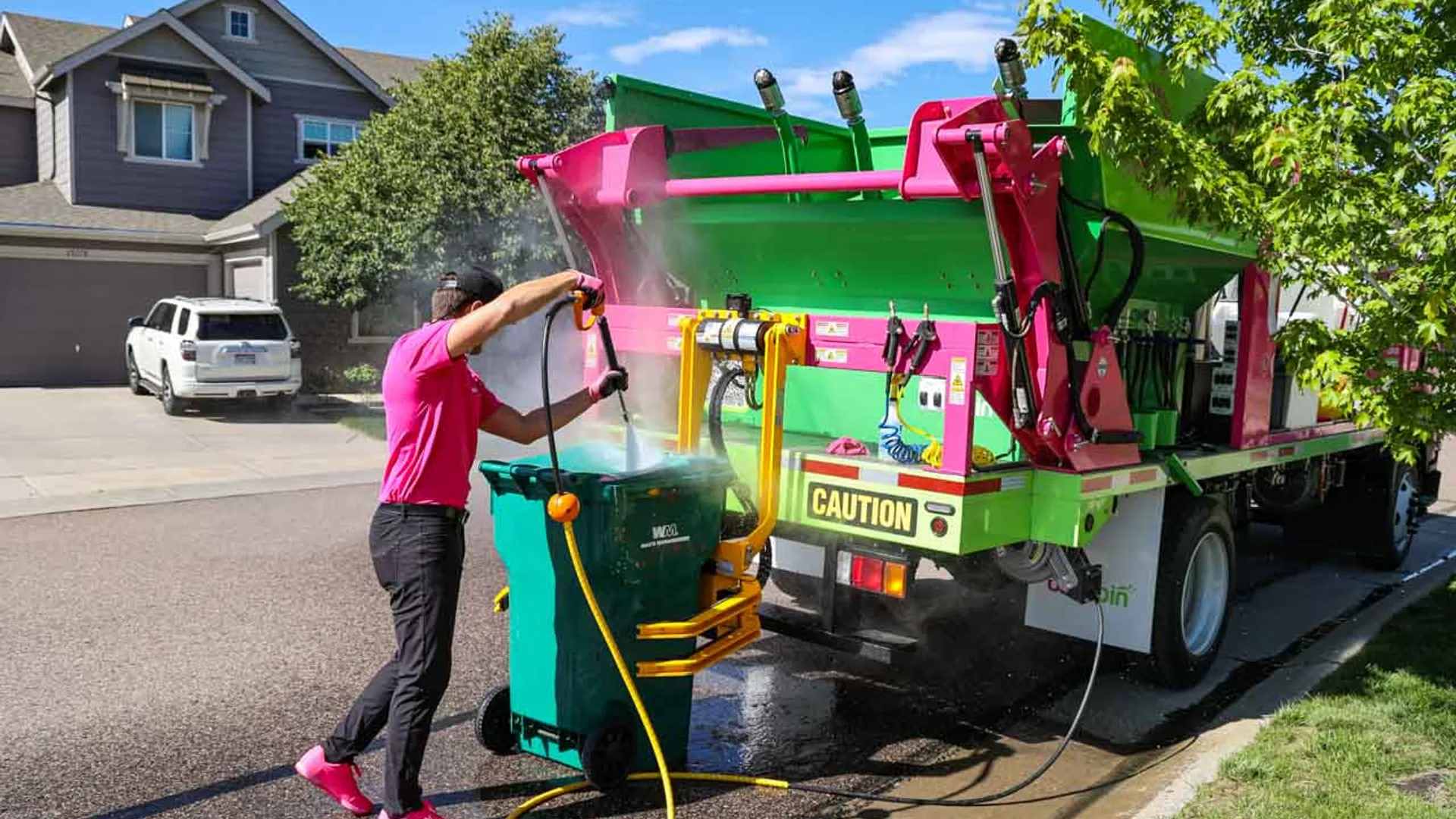
Are trash can cleaning chemicals safe around kids? In plain English, trash can cleaning chemicals can be safe around kids when the cleaning process is done right. The bigger issue usually is not the word "chemical" itself. It is leftover residue, strong fumes, sloppy storage, or a bin that gets put back into use while still wet.
That matters because a clean bin should solve a mess, not create a new one. If the can smells fresh, feels dry, and has no sticky film on the lid or handle, you are usually looking at a safer result.
What “safe around kids” really means
Safe around kids does not mean a product is edible, harmless in every form, or fine to splash around. It means the cleaning leaves behind little to no residue, does not fill the air with heavy fumes, and does not create a contact risk on spots kids actually touch, like handles, lids, and wheels.
Here’s the thing: "chemical" is a broad word. Soap is a chemical. Vinegar is a chemical. The question is not whether a product counts as a chemical. The question is how strong it is, how it gets used, and what is left behind after cleaning.
Which trash can cleaning chemicals are commonly used
Trash can and dumpster cleaning usually involves a short list of product types, not some mystery cocktail. Most jobs use a cleaner to loosen grime, water to flush it away, and sometimes a disinfectant to reduce germs and odor-causing buildup.
Degreasers, soaps, and disinfectants
Degreasers break up oily residue from food waste, especially when leaking bags leave that sour sludge at the bottom of the can. Soaps help lift dirt and wash it out. Disinfectants are different, because the job is to kill bacteria and reduce contamination on surfaces.
Those products are not interchangeable. A bin can look clean but still smell awful if grease and bacteria are left behind. On the other hand, blasting everything with disinfectant without properly washing first is like spraying air freshener in a muddy car. It misses the real problem.
Eco-friendly and low-residue options
Many services now use biodegradable, plant-based, or low-fragrance cleaners, along with hot water. That can be a very good fit for homes with kids and pets, especially if you want less perfume-like smell hanging around the garage.
The catch is that "eco-friendly" does not automatically mean no irritation. A natural cleaner that is too concentrated or poorly rinsed can still bother skin or lungs. Low-residue products plus a good rinse is the combination that really matters.
What makes a trash can cleaning service safer for your home or business
A safer service comes down to process more than marketing language. Good equipment, careful mixing, and consistent rinsing make a bigger difference than a label full of buzzwords.
Proper dilution, rinsing, and drying
This is where safety is won or lost. A strong product that gets diluted correctly and rinsed thoroughly is often safer than a mild product used carelessly. Overconcentrated cleaner, poor rinsing, or wet chemical residue on the lid handle is the real problem.
Drying matters too. If the inside walls and touch points are still damp, there is more chance of contact. A clean, dry bin is the goal.
Equipment that cleans without overusing chemicals
Hot water, pressure washing, steam, and enclosed wash systems can do a lot of the heavy lifting. When equipment is doing the scrubbing, fewer chemicals are needed to get the same result.
That is good news for homes and businesses alike. Strong cleaning equipment can cut grime fast without leaving a heavy scented coating behind.
Storage and handling matter as much as the product
Concentrated products stored carelessly in a garage, truck, or service area can be a bigger risk than the cleaned bin itself. Safe storage, clear labels, and controlled handling are good signs that a company takes the whole process seriously.
Main risks to watch for around kids
The risks are real, but they are usually manageable and easy to spot.
Skin contact, fumes, and residue
The most common issues are simple: touching a recently treated surface, breathing strong fumes, or coming into contact with leftover residue under the lid or around the handle. If a bin smells sharply chemical or feels slick, it is not ready.
Mixing chemicals is the real red flag
Mixing bleach with ammonia or acidic cleaners is never worth the risk. That is the line that should never get crossed, because dangerous fumes can form fast.
How to tell if a service uses kid-safer cleaning practices
You can tell a lot from how a company talks about the process.
Questions to ask before booking
Ask what products get used, whether the bin is fully rinsed, and how long it should sit before kids touch it again. It also helps to ask whether handles and lids get cleaned thoroughly, not just the inside.
Good signs on service day
A good service day looks controlled, not chaotic. Products are labeled, spraying is targeted, rinsing is thorough, and the can is left dry enough to use without sticky residue or overpowering fragrance.
Simple steps you can take after cleaning
You do not need a complicated safety routine.
Let the bin air out before heavy use
Leave the lid open for a short time so moisture and odor can clear. In a driveway, 20 minutes is often enough before bringing the bin back near the garage.
Keep kids away during the cleaning window
The easiest fix is timing. Keep kids away while the bin is being washed, then go back to normal once the can has been rinsed and dried.
Common questions about trash can cleaning chemicals and kids
A few concerns come up again and again, and the answers are usually more practical than dramatic.
Are natural cleaners always safer? Not always. Natural products can still irritate skin or leave residue if used too heavily. Safer usually means properly diluted and properly rinsed.
Is bleach ever necessary? Sometimes, yes, especially when a bin has heavy contamination. But for routine cleaning, hot water and a good wash often handle the job without harsher products.
Are dumpster cleaning chemicals different from household bin cleaners? Often, yes. Commercial dumpsters deal with heavier grease, larger waste volume, and more public contact, so stronger products and tighter containment may be needed. The same rule still applies: the safest result comes from correct use, thorough rinsing, and a dry surface afterward.
If you want one simple rule to follow, use this one: if a freshly cleaned bin is dry, low-odor, and free of residue, it is usually ready for everyday life around kids.
Disclaimer:
This article is for general informational purposes only. It is not professional advice, a quote, or a service agreement. Conditions at your home or property may differ; contact a qualified professional for an on-site evaluation before making repair, safety, or spending decisions.