
Alley carts along older Denver blocks do not get a gentle spring. Municipal trucks still roll on winter tight schedules while evenings stay light past eight, grills return, and recycling streams fill with cardboard from weekend projects. Black carts in full sun on south facing lots heat faster than shaded alley placements, and that difference shows up in odor long before the bin looks full from the street. Britebin stages from Golden and builds loops west of Denver on purpose, which is why we ask for cross streets and whether your cans live in an alley or at the curb before we promise a service day.
Alley service is convenient until it is not. Narrow lanes, shared driveways, and townhome rows where three stream carts sit in a line all create the same practical question: can a service truck stage safely without blocking a fire lane or trapping a neighbor? On our residential routes we plan for that reality. Some addresses in Denver use front curb placement; others in Lakewood, Wheat Ridge, or Arvada use alleys exclusively. Telling us which pattern you follow prevents a crew from arriving ready for curb work when your bins never leave the back lane.
Empty carts still hold residue. Municipal pickup removes bagged contents, but sidewalls, hinge lines, and the underside of lids keep a thin film of organic material. A quick rinse at home can help for a day or two, especially right after pickup, yet biofilm returns faster when nights warm and sticky organics went in during cooler weeks. The physics are straightforward: bacteria do not pause because the can looks empty from the alley. Early heat accelerates breakdown, and lid condensation adds moisture that keeps odor compounds active longer than most people expect. That gap between empty and clean is where professional service fits, as described in our piece on why bin smell comes back in summer.
Early season heat along the Front Range is not one July week. It is a string of afternoons when alley pavement radiates into cart plastic, when compost lids sweat, and when recycling bins still carry fruit sugars from spring cookouts. Customers who bumped frequency last summer often wish they had moved one tier earlier in spring; you do not need a dramatic change. Sometimes shifting from quarterly to bi-monthly for three months is enough to keep lids from feeling sour by June. Published pricing for monthly, bi-monthly, and quarterly plans shows how per-bin math scales when you enroll trash, recycle, and compost separately.
Alley specific habits that help before we arrive: leave lids closed but not latched shut if your municipal rules allow, keep carts out of the travel path of collection trucks, and note whether your HOA or townhome association restricts when cans may sit in front. Shared sight lines in cluster housing mean one stained cart affects how the whole row photographs from the street; that pattern shows up often enough that we wrote separately about HOA and townhome bins. Per-bin enrollment means not every owner on a row must sign up at once.
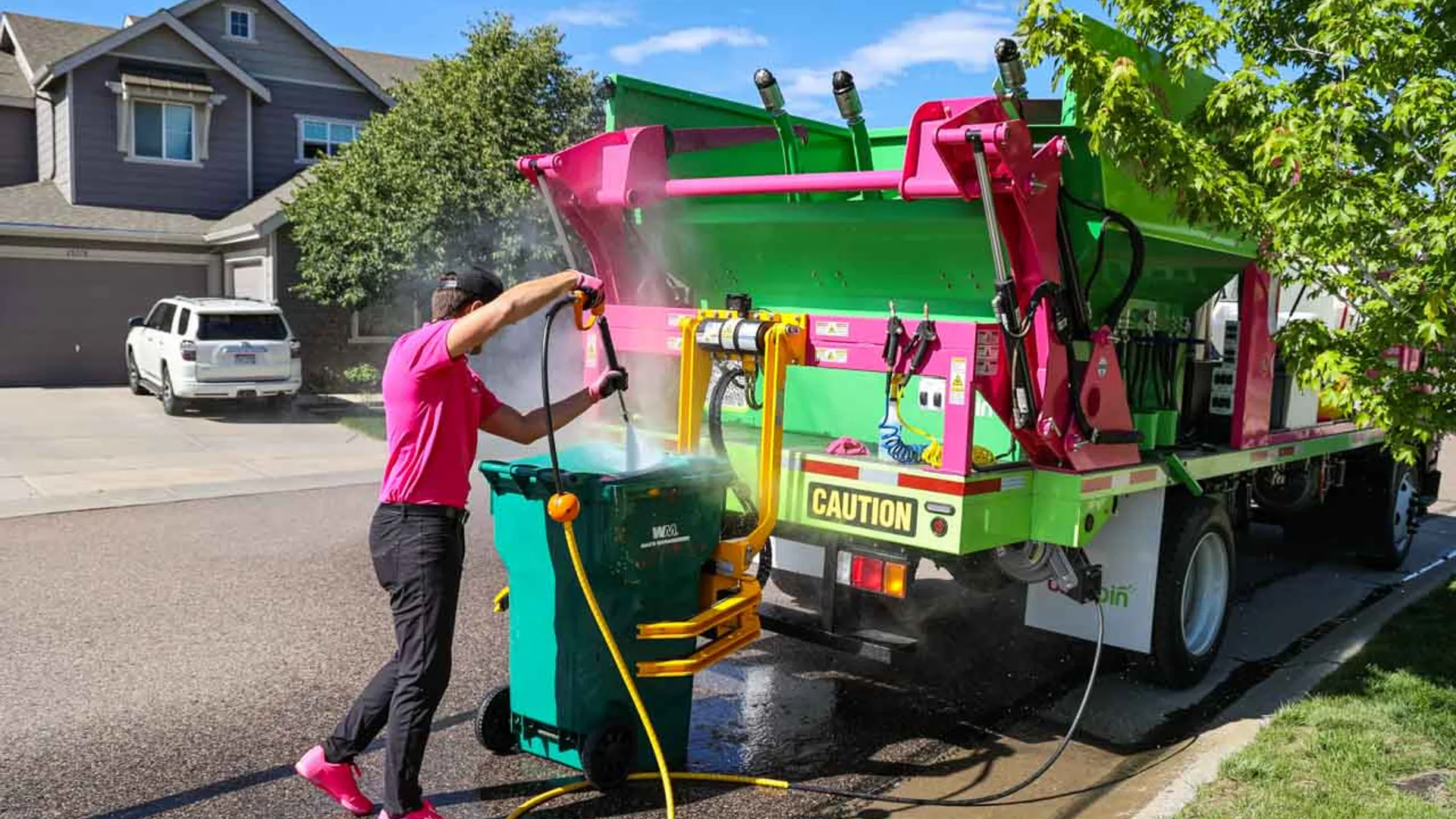
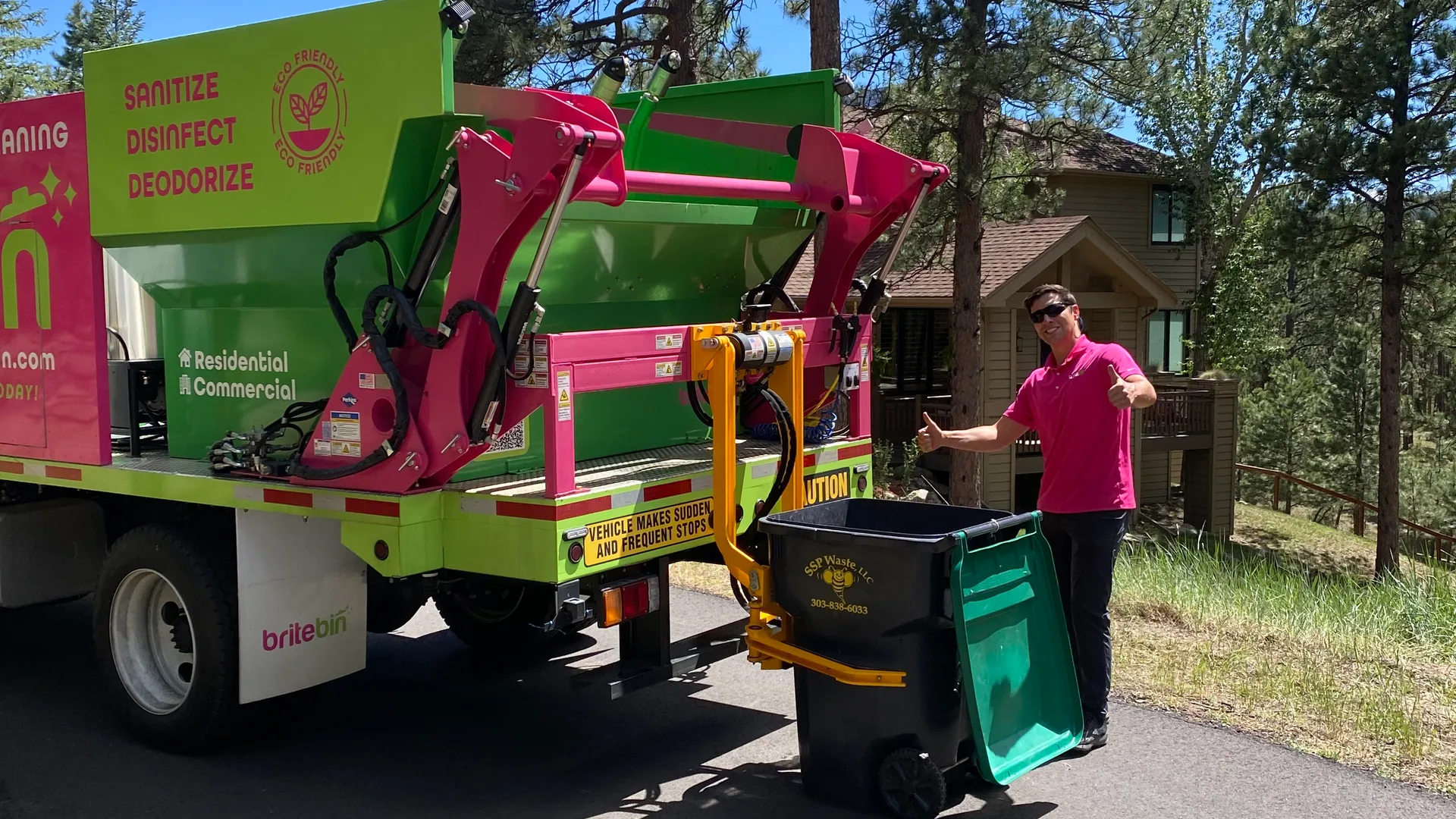
Scheduling your first professional clean after municipal pickup means interiors are accessible and upright, which is the same guidance we give customers across the west metro in scheduling after city trash day. If your block uses alley collection, mention gate codes, hose bib location, and whether a neighbor’s vehicle routinely blocks the lane. Photos in a contact request save a return trip. We capture and handle wastewater on site rather than pushing runoff toward storm drains, which is harder to replicate responsibly with a consumer pressure washer in a shared alley.
Routing honesty is part of how we keep arrival windows realistic. We would rather explain a Tuesday cluster in Wheat Ridge than promise a window our trucks cannot hit because density that week is thin on your block. Cross streets help assign the right crew loop; that is the same logic described in our note on Colorado based routing. Two homes in the same ZIP code can sit on opposite sides of a routing seam, especially when one address is Denver proper and another is Arvada with alley rules that differ from curb rules.
Seasonal debris matters in mid spring as well. Cottonwood fluff, pine pollen, and grit from wind events collect on lids and handles. You track that material into garages and kitchens when you roll carts in for the night. A rinse removes some of it; recurring service keeps the film from becoming the baseline smell you stop noticing until a guest visits. Along foothill adjacent routes toward Evergreen and higher pockets of Littleton, wildlife interest in carts also rises when food scraps linger on plastic surfaces. Cleaner lids and interiors reduce attractants between city pickups without inventing miracle cures.
Commercial adjacent alleys deserve the same clarity. If you manage a small retail strip with shared enclosures, mention gate codes and hose bib access when you request a commercial quote so the first visit matches how tenants actually move bins. Container count, enclosure height, and whether trucks can line up without blocking access lanes belong in the first conversation, not after a missed window when foot traffic doubles. Our companion articles on alley cart nights in the Denver metro and commercial bin pad checks stay relevant when heat and traffic rise together.
Frequency should match how fast your bins actually soil, not an arbitrary calendar. A household with heavy compost use and outdoor cooking may need monthly service; a shaded alley pair with mostly bagged trash might stay on bi-monthly until July. When odor returns quickly in heat, the cause is usually biofilm and residue rather than a single bad bag. Nothing in this piece replaces confirming your address against active route density. Some Denver pockets wait for clustering; most west metro core cities fit published tiers. Call or send a lead form with cross streets and alley or curb notes. We will tell you what the next open loop looks like before you commit to a summer cadence built around empty bins that still need a rhythm.