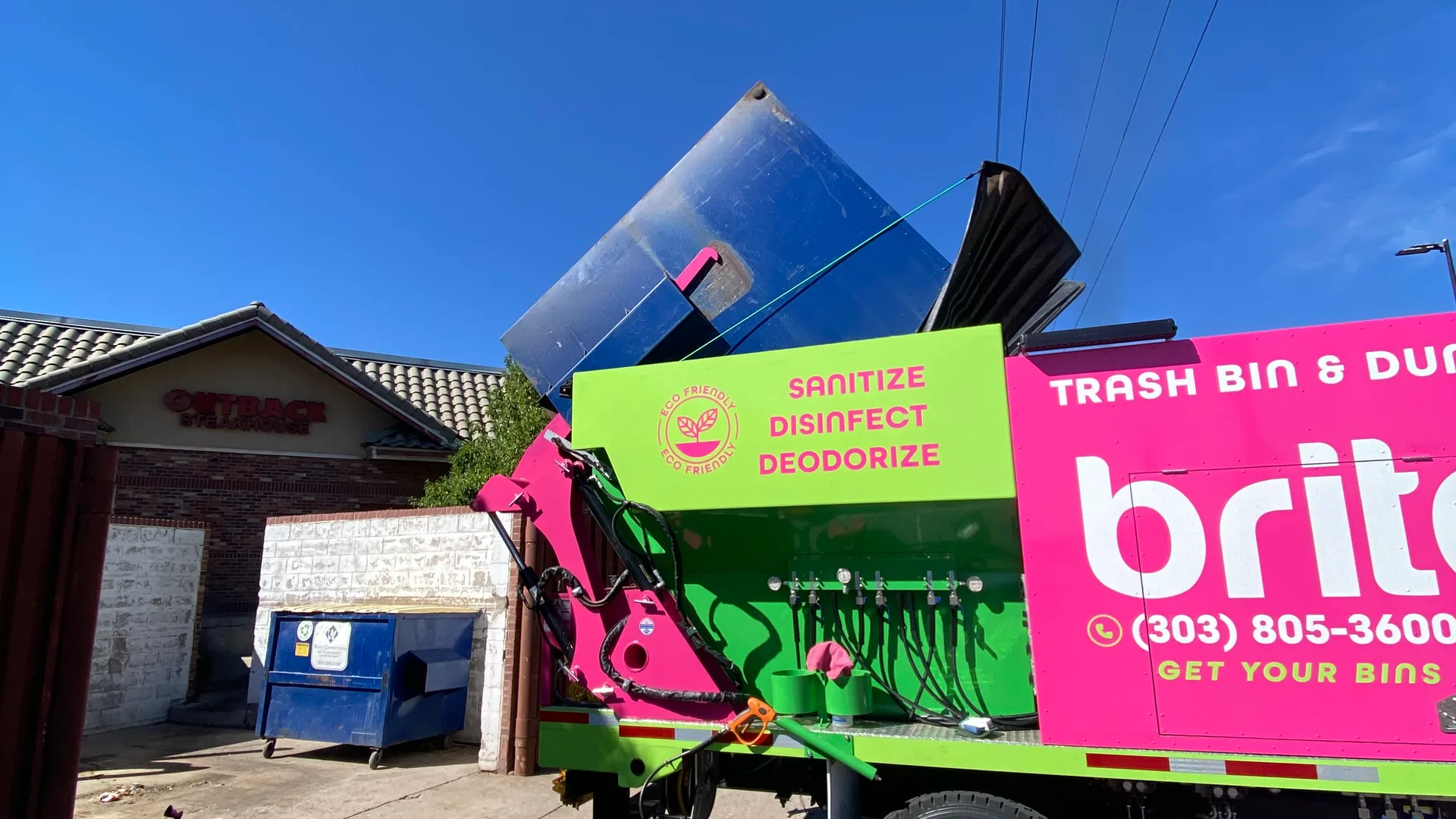
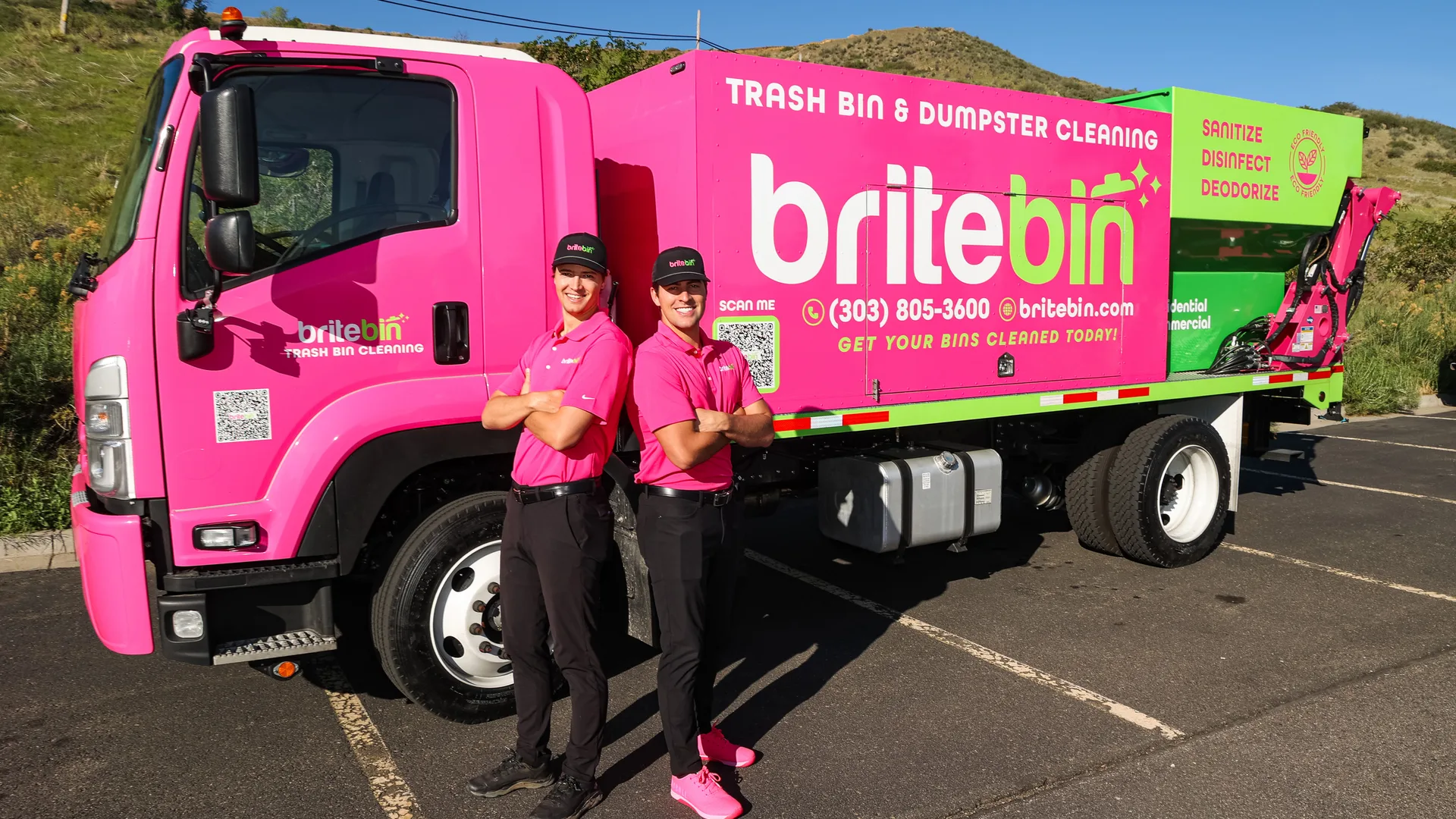

Britebin service truck on a Denver metro alley route during sustained heat

Alley cart placement and HOA sight lines during sustained Front Range heat

Sustained Front Range heat changes where alley carts should sit for HOA rows and shared sight lines. Placement, lid fit, and recurring rhythm when presentation matters as much as odor.

303-805-3600

Britebin is locally owned and operated in Colorado, providing professional bin cleaning with eco-friendly practices and responsible water handling. Join the clean revolution today.

Sustained Front Range heat turns alley cart placement into a presentation conversation, not only an odor conversation. Townhome rows and bungalow blocks in Denver share sight lines where one stained cart affects how the whole alley photographs from the street, even when municipal pickup emptied every stream that morning. Britebin stages from Golden and builds loops west of Denver on purpose, which is why we ask for photos of where carts sit after pickup, not only whether lids smell sour on a warm afternoon.

Clean waste enclosure beside residential alley carts

Placement is more than curb versus alley labels. Some Denver blocks tuck carts behind gates that trap afternoon sun on black plastic while recycle bins on the same row stay shaded until evening. A cart moved twelve inches toward a south wall can heat differently than a neighbor cart that looks identical from the alley mouth. Tell us your pattern when you request service so the first visit matches reality. Our residential tiers price per bin per visit with monthly, every two weeks, and quarterly cadence options spelled on pricing. Enroll trash, recycle, and compost separately when only one stream soils faster in sustained heat.

HOA and townhome rows feel placement shifts loudly during sustained heat. Boards notice streaks on lids, hinges that hang open after hauler pickup, and wheels that track film into shared walkways. We wrote about cluster patterns in HOA and townhome bins. Per bin enrollment lets participating owners sign up without requiring every unit on the same day. Mention board contacts and curbside rules before the first visit when association inspections overlap with summer foot traffic behind buildings.

Empty carts still hold residue that shows under porch lights even when contents are gone. Sidewalls, hinge lines, and lid undersides keep biofilm that warms faster once alley pavement radiates through afternoons. Professional equipment targets that layer, as described in why bin smell comes back in summer. Scheduling after municipal pickup keeps interiors accessible, the same guidance in scheduling after city trash day. Photos in a contact request after empty pickup show lid fit and whether condensation pools under the rim beside hot walls.

Recycle streams often look fine while compost or trash lids sour first on the same row. Stream by stream enrollment matters when sustained heat accelerates organics film on green lids alone. Read compost cart film when sustained heat hits the west metro for film physics separate from this placement story. Alley odor when bins look empty is covered in Denver alley carts and odor when bins look empty under sustained heat when smell leads before presentation does.

Routing honesty stays constant through heat waves. Cross streets assign crew loops from Golden staging; two homes in the same postal code can sit on opposite sides of a seam between Lakewood, Arvada, and Denver proper collection rules. We would rather explain a realistic Tuesday cluster in Wheat Ridge than promise a window density cannot support. The same geography story appears in Colorado based routing. Share gate codes, hose bib location, and whether a neighbor vehicle blocks the lane during pickup hours.

Moving carts out of afternoon sun when rules allow is one of the few homeowner levers that amplifies professional visits without changing municipal calendars. A lid that seats fully after hauler pickup closes the gap where heat and smell escape across shared rows. If you cannot move placement, say so upfront so quoted frequency matches reality instead of assuming shade that does not exist on your block. Customers comparing priorities can use the bin service priority quiz when presentation and odor both matter.

Commercial adjacent alleys deserve clarity when retail strips share enclosures with residential cart rows. Small food prep sites behind mixed use buildings should request commercial quotes when containers exceed curbside cart scale or sit on pads tenants walk past daily. Presentation overlap for customer facing sites appears in commercial dumpsters and curb appeal when foot traffic rises near shared enclosures. Property managers comparing pad work and alley rows should send container counts separately so the first visit matches how vendors and residents actually move waste.

Environmental handling matters on every alley visit. We capture wastewater on site instead of pushing rinses toward storm drains, which is harder to replicate responsibly with consumer gear in a shared lane. That standard applies whether your carts sit in Denver proper or along connector corridors toward Littleton and foothill adjacent routes toward Evergreen. Seasonal debris including cottonwood fluff and grit from wind events collects on handles you carry into garages; recurring service keeps hinges from growing stripes that show in listing photos.

School wind down and longer at home schedules also change how carts sit in alleys when kids haul gear daily. Lunch leftovers and shipping boxes move through streams faster than trash alone changes. Read school wind down and household bin rhythm when schedule shifts overlap with sustained heat on the same cart row. Golden slope and wildlife notes live in Golden trash and recycle bin cleaning guide when local placement habits differ from Denver alley defaults.

Frequency should match how fast your bins actually soil and how visible they are from shared sight lines, not an arbitrary calendar. A row facing an association walkway may need monthly presentation cadence on recycle while trash stays on every two months until cooler weeks return. Nothing here replaces confirming your address against active route density. Send cross streets, placement photos after pickup, and whether HOA rules restrict when carts may sit forward of the garage. We will confirm the next open loop from Golden before you lock summer cadence built around alley placement that survives sustained Front Range heat.

When one owner enrolls on a shared row, note which cart numbers or colors you want serviced so crews do not clean the wrong stream on a tight lane. Presentation wins compound when hinges and handles stay consistent across weeks instead of one deep rinse before a single board walkthrough. That rhythm is easier to keep when placement notes stay accurate after haulers swap lids or wheels mid season.

Book Britebin for your address

If this article got you thinking about cleaner carts or dumpsters, sign up or call—we will confirm your route.

Request more information

Share your details for residential service—we will follow up shortly.

Book residential curbside service online, or switch to Commercial to request a quote from our team.

Residential details

Or call 303-805-3600. We will confirm your address on the phone.

Thank you!

We received your message and will follow up soon. For urgent help, call 303-805-3600.