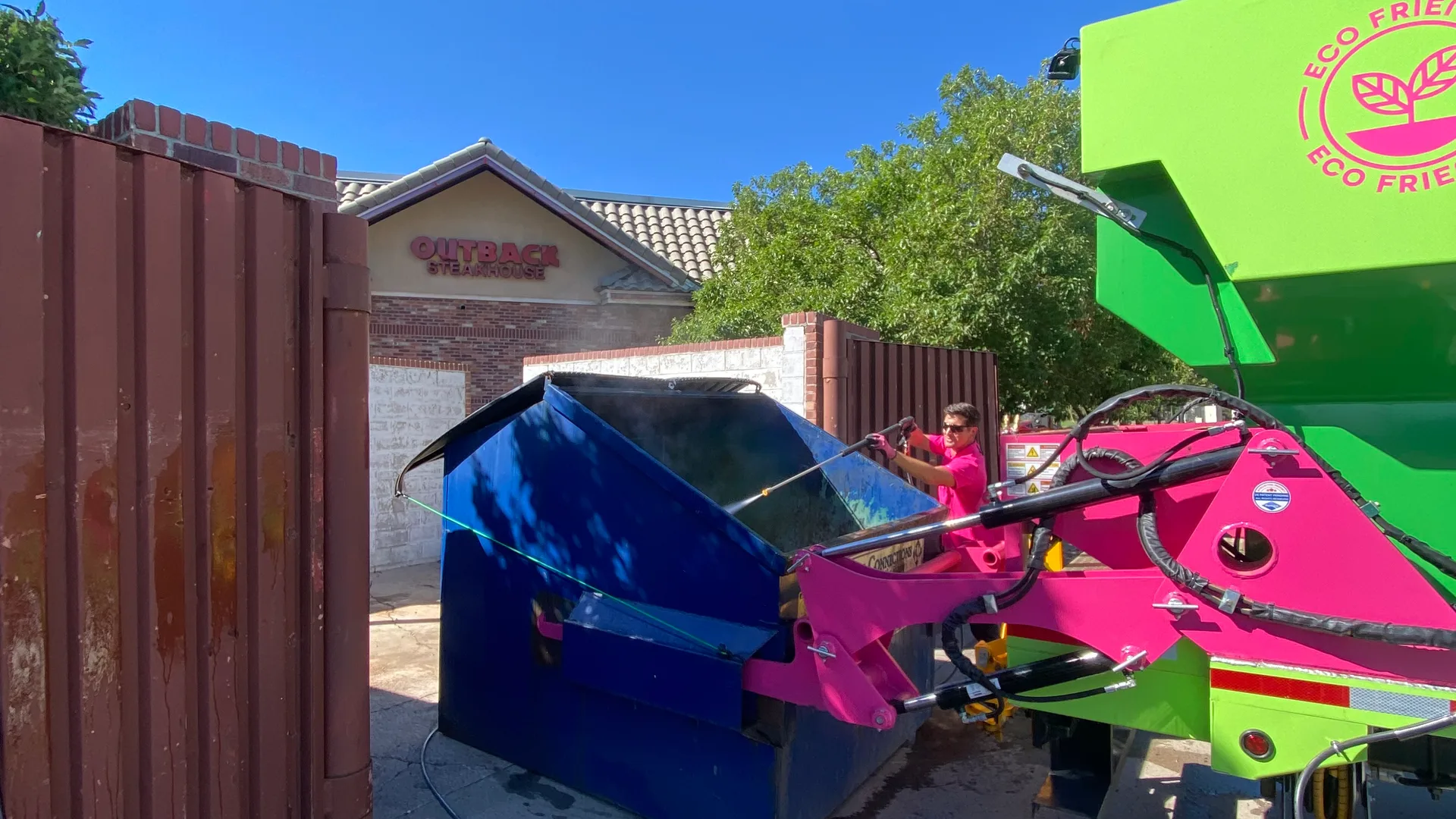
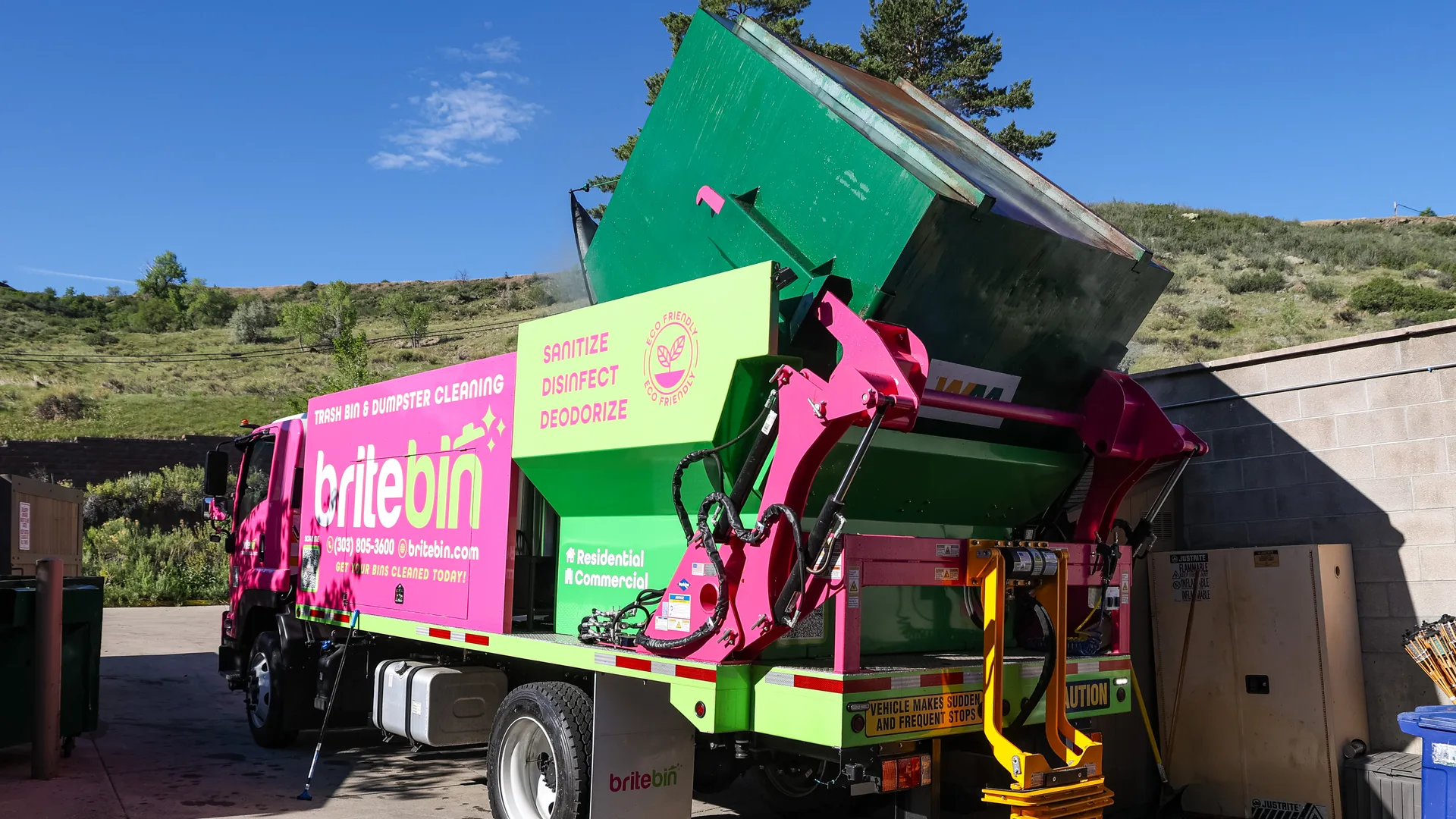

Late May along the Front Range is when property managers start counting summer event weeks instead of only monthly rent rolls. Outdoor seating expands, delivery windows lengthen, and the same dumpster pad that looked acceptable after spring rain can feel loud by the first warm Friday when tenants complain about smell near parking. Britebin stages from Golden and builds loops west of Denver on purpose, which means pad scheduling in late May is really about matching container cadence to how foot traffic and heat will behave in June, not about pretending one deep clean erases a season of grease film.
Commercial bin pads sit in an awkward part of property management: everyone walks past them, few people budget for them until something smells on a warm afternoon. May is when foot traffic around retail strips, multifamily enclosures, and restaurant alleys climbs just as heat starts accelerating odor. A pad that looked acceptable in April can feel loud by June if drainage, grease, and lid fit were never addressed. This narrative stays grounded in how we already talk about commercial work—per container per visit, cadence matched to volume, and routing staged from Golden across west-metro loops described on our Denver service-area page.
Start with what people see first: streaks on enclosure doors, grit on the concrete pad, and whether lids close fully after hauler pickup. Those three signals show up in photos property managers attach before they mention smell in an email. Food-service sites pick up grease patterns fast; office-heavy sites pick up dust and broken glass grit. Both benefit from recurring service with frequency tied to how fast containers soil, not a single spring deep clean that fantasy-cycles back to the same film six weeks later. Our overview on commercial dumpsters and curb appeal stays relevant when presentation and sanitation overlap even when no regulator has called.
Summer event weeks change the math. A pad that worked on monthly service in April may need bi-weekly coverage once patios stay open past nine and kitchens run longer shifts. Restaurant and food-prep accounts often land on weekly or bi-weekly cadence because grease and spill patterns accumulate faster than cardboard dust. Retail pads with moderate turnover may stay monthly until the first festival weekend proves foot traffic doubled behind the building. Matching cadence to volume is cheaper than paying for weekly service you do not need, or monthly service that leaves a kitchen dock sour by week three. Published pricing for weekly through quarterly commercial tiers gives a baseline; final quotes still depend on container count, access, and whether each visit includes one dumpster or several behind the same gate.
Pads are not just concrete; they are part of curb appeal for tenants, shoppers, and delivery drivers who cut behind a building. Most budgets cover landscaping and striping before dumpster areas, yet evening visitors pass enclosures daily. When presentation slips, the waste zone reads neglected long before it becomes a compliance conversation. Late May is a good month to photograph pad slope and drainage after a real rain, not only on dry weeks. Standing water beside dumpsters makes every other problem louder—odor travels, grit sticks, and insects find a stable habitat. If water pools toward a door or sidewalk, note that in your contact request along with photos. Drainage fixes may be a facilities issue separate from cleaning, but documenting the pattern helps our crew stage hoses and expect conditions on return visits.
Access notes prevent missed windows later in the season. Share enclosure clearance height, whether trucks can line up without blocking a fire lane, and gate codes or vendor check-in rules. Properties along Federal, Colfax segments, and arterials in Denver fold into recurring routes more easily than a single hidden alley with no parking for service vehicles. Multifamily and HOA-managed enclosures add coordination. One property manager contact, clear rules about when bins may sit curbside, and reliable access during the service window keep routes efficient. Shared pads in Lakewood or Arvada often centralize billing; we can structure invoices the way you already reimburse tenants.
Environmental handling is not a marketing footnote for commercial sites. Professional wastewater capture matters when pads slope toward storm drains or tenant walkways. Quick rinses down the grate create liability; our process is built around controlled recovery on site. That distinction matters for retail centers near Wheat Ridge connector corridors and for light industrial pockets where inspectors care about what leaves the property. Seasonal shifts in late May include more outdoor seating, longer operating hours, and delivery traffic behind buildings. Odor that was confined to early morning can drift into afternoon patios when lids do not seat after pickup.
Residential-adjacent commercial—duplex rentals, mixed-use corners, small offices with one dumpster—still belongs in commercial quoting if containers are shared or exceed curbside cart scale. Homeowners comparing costs can read residential tiers separately; properties with pad enclosures should not assume cart pricing applies. When the same owner has a home in Littleton and a retail pad in another city we serve, ask about aligned service weeks where routing allows. The companion checklist we published earlier, commercial bin pad checklist before summer foot traffic doubles, pairs with this piece when you want a slow lap around doors, lids, and slope before you lock June cadence.
Routing from Golden means honest geography. We build loops west of Denver on purpose; far-northeast or far-southeast Denver pockets may wait for density. Cross streets and postal codes upfront avoid promising a Tuesday window we cannot cluster. The same density logic described in Colorado based routing applies when you manage multiple addresses. We would rather explain a Tuesday cluster in Wheat Ridge than promise a window our trucks cannot hit because density that week is thin on your block.
Before summer event weeks stack, walk the pad once with a checklist mindset—not numbered steps on a form, but a single slow lap. Look at door streaks, pad grit, lid closure, slope toward drains, and whether the enclosure locks reliably during your operating hours. Photograph after rain. Count containers. Note fire-lane constraints. Send that bundle with your quote request so the first visit matches how tenants and vendors actually use the space. Recurring service works when cadence survives the first hot month. If odor returns within days after a one-time clean, volume or frequency—not chemistry alone—is usually the lever.
Coordination with haulers and municipal holidays still compress routes in late spring. When pickup shifts for Memorial Day or storm delays, communicate your operating hours so we do not arrive during a lunch rush or locked dock. Commercial work is timed around your reality, not an imaginary empty alley at dawn—unless that is genuinely when your gates are open. Treat the pad as part of the tenant experience, not a sunk cost behind the building. Cleaner enclosures reduce complaints that show up as vague smell near parking tickets. When you are ready to line up late May or June visits, use the contact page with container count, access notes, and photos from a wet week. We will confirm route fit for your address before locking cadence through the summer peak.